REVIEW · BELFAST
Political Taxi Tour Belfast (1-7 People)
Book on Viator →Operated by City Tours Belfast · Bookable on Viator
Murals tell the story better than textbooks. This private, climate-controlled ride puts Belfast’s politics in context fast, with stops at the Peace Wall and major mural areas, plus stories from people who lived through The Troubles. One heads-up: the topic is heavy, and at roughly an hour it can feel a bit fast if you like long, slow explanations.
I like that the stops are tight and efficient: you’ll make progress without spending the day in transit. The other good thing is the balance many guides aim for—facts, human stakes, and why the arguments still echo. You’ll start and finish at Leonardo Hotel Belfast on Great Victoria Street, then move from mural to mural with a local behind the wheel.
In This Review
- Key highlights worth your attention
- What you’re really buying for $51.99
- Meet at Leonardo Hotel Belfast and ride in comfort
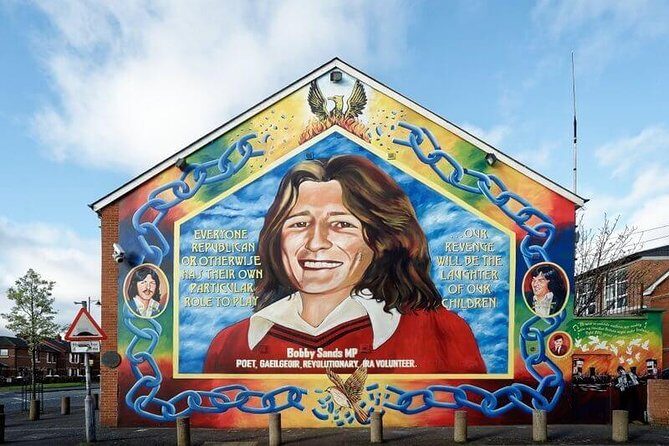
- Bobby Sands Mural: a street-level entry point
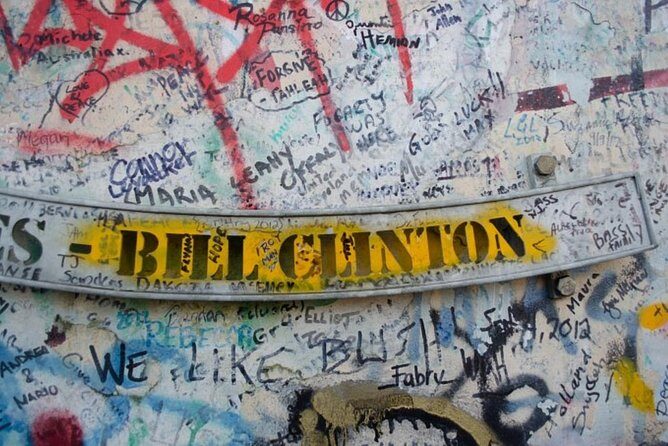
- Peace Wall: why signing your name hits harder than photos
- Clonard Monastery and the Peace Talks thread
- Shankill Road and loyalist murals: seeing the other side
- The Peace Wall sign again: same place, new context
- How one hour really feels in real Belfast weather
- Choosing the guide: who’s getting the praise
- Who this tour suits best (and who should skip it)
- Should you book the Political Taxi Tour Belfast?
- FAQ
- How long is the Political Taxi Tour Belfast?
- Where does the tour start and end?
- Is the tour in English?
- Are there admission fees for the stops?
- Is this a private tour?
- Can I cancel for a full refund?
Key highlights worth your attention
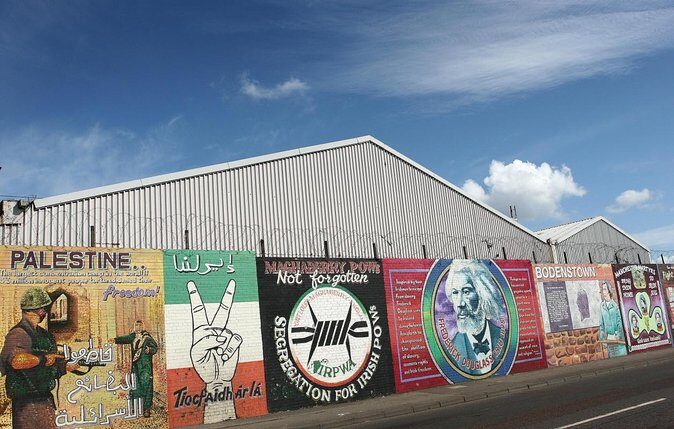
- Bobby Sands Mural and International Wall Murals as a human entry point, not just politics as theory
- Peace Wall sign-your-name moment connected to Bill Clinton and thousands of others
- Clonard Monastery and the Peace Talks connection for context beyond the street-level murals
- Falls Road and Shankill Road murals in one trip so you can compare two neighborhoods without jumping trains all day
- Short, timed stops that keep the tour focused while still leaving room for questions
- Guides with Belfast lived-in experience, including Colin, Tony, Hugh, Darren, Pat, Jimmy, Gerard, Rod, Alan, and Paddy
What you’re really buying for $51.99
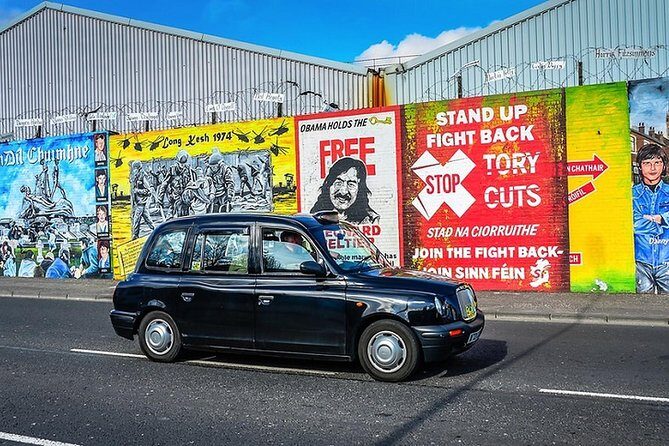
At about $51.99 per person for roughly 1 hour, this tour is priced like a focused introduction, not a half-day scholarship session. You’re paying for three things: door-to-door convenience, curated stops, and a local narrator who can turn what you see on the wall into what it meant to real people.
A smart value detail is that the key photo stops are free. You’ll hit mural points and the Peace Wall without paying admission fees along the way. Add in the private vehicle (so you’re not squeezed into a big bus with strangers) and group discounts, and it starts to make sense for couples, small families, and friends who want answers without doing homework first.
The “watch-out” value angle: if you want deep, book-length political analysis, one hour will feel like the appetizer. It’s still a great way to get your bearings before you go exploring on your own afterward.
You can also read our reviews of more tours and experiences in Belfast.
- Titanic Belfast Entrance Ticket: Titanic Visitor Experience Including SS Nomadic
★ 4.5 · 3,698 reviews


Meet at Leonardo Hotel Belfast and ride in comfort
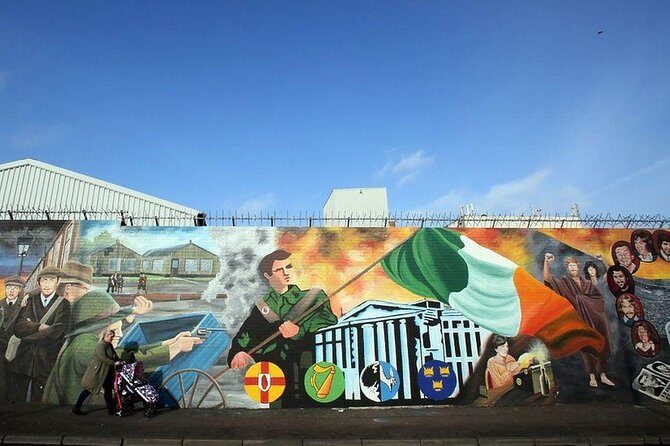
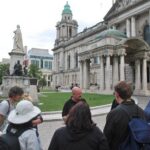
Logistics are refreshingly simple. The tour starts back at Leonardo Hotel Belfast, Great Victoria St, Belfast BT1 6DY, and it ends at the same meeting point. That matters because you don’t have to figure out multiple drop-offs or stitch together your own route while your brain is already overloaded by history.
You also get a private tour—meaning it’s just your group in the vehicle. That can make a big difference when you’ve got questions, want to take photos without rushing, or you’re visiting in bad weather and you’d rather not stand around.
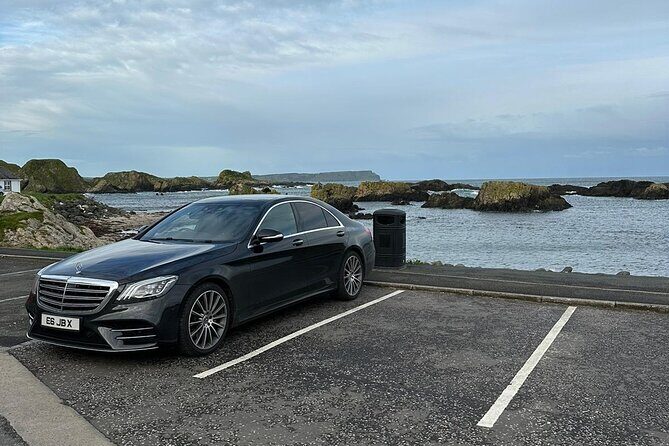
A note on the vehicle: it’s not guaranteed to look like a classic film noir taxi. One guide experience described a comfortable black Mercedes van, so expect a black private car/van setup rather than a street-hail “taxi” vibe.
Other helpful facts: the tour is in English, service animals are allowed, and it’s described as near public transportation. Also, it’s set up so most people can participate, which is good news if you’re not planning a long walking-only day.
Bobby Sands Mural: a street-level entry point
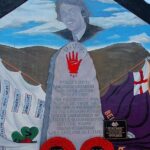
Your first stop is the Bobby Sands Mural at the International Wall Murals area. Even if you’ve never studied Belfast politics, this is the kind of location that forces you to slow down and ask basic questions: Who is being remembered here? Why does this wall matter today? And how do symbols keep meaning as years pass?
What I like about starting here is that it’s personal. Instead of starting with dates, the tour begins with a visual story. From there, the rest of the route makes more sense, because you’ve already met one of the human faces tied to the conflict.
Time-wise, the stop is set at about 12 minutes, which is enough to read what’s there and listen without turning it into a museum visit. If you’re the type who needs to take a lot of photos and still ask questions, you’ll probably want to ask your first big question right after the intro—so you don’t run out of time.
Peace Wall: why signing your name hits harder than photos
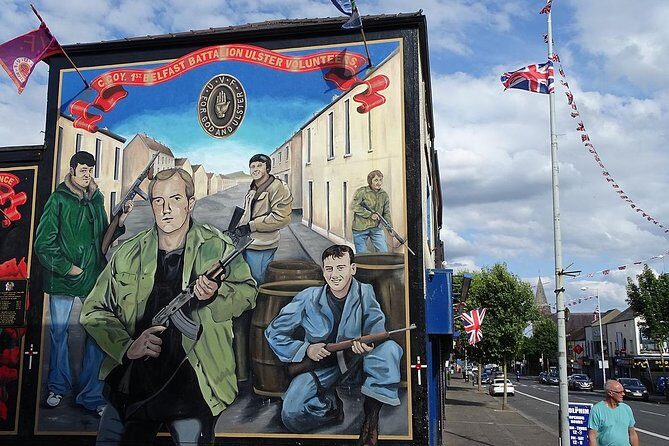
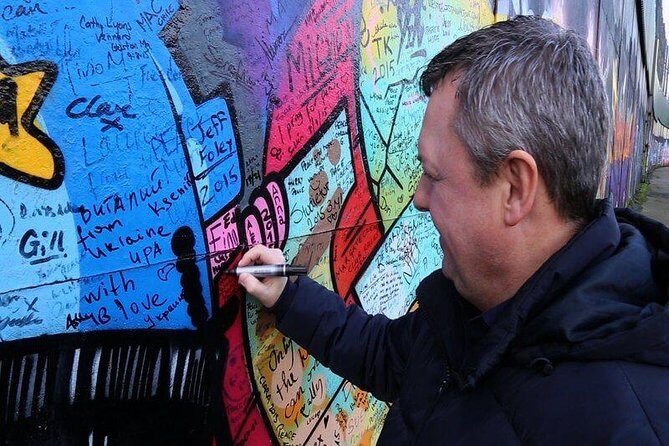
Next up is the Peace Wall, with time to actually sign it. This is one of those experiences that sounds small until you realize what it represents. You’ll add your name alongside Bill Clinton and thousands of others, turning a political monument into something oddly human.
I’d treat this moment as your emotional anchor of the day. Murals explain identity and grievance. The Peace Wall is about the thin, complicated idea that something can change. Even if you’re skeptical of political slogans, you can’t ignore the simple act of writing your name on a barrier that once marked fear and separation.
You’ll likely get about 12 minutes here at first, then again later. That repetition can help you notice details you missed the first pass—like how people react as they sign, and how the wall reads differently when you’ve already heard a couple stories.
One practical tip: bring a steady hand for signing. It’s easy to rush because it feels like a quick photo op. Try to pause instead. It’s the kind of stop where your brain catches up a half-minute after your camera does.
Clonard Monastery and the Peace Talks thread
Then you head to Clonard Monastery, described as home of The Peace Talks. This stop is valuable because it shifts the frame. After murals and walls—visual reminders of conflict—you get a place tied to negotiation and political process.
Even in a short visit, it can give you a needed balance: the Troubles weren’t just street-level anger. They were also arguments over governance, safety, power, and identity. Clonard Monastery helps you connect the street symbols to what happened behind closed doors.
Expect about 12 minutes here. That’s enough to learn the gist and understand why the site is remembered, but not enough for deep architectural touring. If you’re hoping for a long stop, keep your expectations realistic: the route is designed to move.
The bigger takeaway is that you’ll leave with a thread: conflict didn’t end only through events—it moved through talks. That matters when you later read headlines or interpret current tensions.
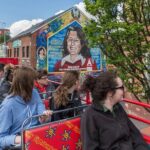


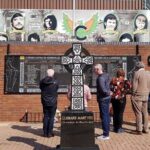

Shankill Road and loyalist murals: seeing the other side
After Clonard, you’ll visit Shankill Road, known for loyalist murals. In a single trip, you get comparison value: you see how different communities represent themselves, mourn their narratives, and set boundaries through public art.
The best way to approach this stop is with curiosity, not a checklist. Try to notice style first—what images repeat, what slogans emphasize, and how the tone differs from other mural areas you’ve seen. Then listen to the guide’s explanation of what those images meant when they were painted and what they mean now.
This is also where neutrality matters. Most guides on this route are praised for being balanced and careful with facts. Some guests did note that one tour felt more slanted than they expected, which is a reminder that political storytelling can never be completely sterile. If you care deeply about balance, ask a direct question during the drive—like how the guide handles different interpretations of the same event.
One more practical thing: murals can be emotional, and it’s easy to get “stuck” on one photo spot. Keep your pace. You’ve got one-hour structure, and you’ll enjoy the whole tour more if you resist treating each wall like a destination you must fully master.
The Peace Wall sign again: same place, new context
You’ll return to the Peace Wall later for more signing time—basically giving you a second chance to connect. By this point, you’ve already picked up context from Bobby Sands Mural, the Peace Talks link at Clonard, and the loyalist murals at Shankill.
That order changes how the wall lands. The second signing moment can feel less like an activity and more like a conclusion—proof that the tour was about meaning, not just photos.
If you’re the type who likes to compare impressions, this repetition is useful. You may notice how your mood changes as you learn what the wall represents and why people keep coming back to it.
And yes, it’s still a short 12-minute chunk. But two visits usually beat one, especially for first-timers.
How one hour really feels in real Belfast weather
The schedule is built around multiple 12-minute stops, plus transit time in between. In theory, that’s how you get an experience that feels compact and manageable.
In practice, one hour is a tight box for a heavy subject. Some guides are quick and crisp. Others slow down when people ask questions. If it’s raining, you’ll probably appreciate the climate-controlled vehicle, because your comfort buys your attention back. Several experiences praised guides for keeping the tour engaging even in miserable weather.
Here’s the most honest way to think about it: you’ll get the core story and the key sites, but you won’t get everything. Your best move is to come with two or three questions ready:
- What does the mural language mean to locals now?
- How should I think about the Peace Wall historically vs today?
- What’s the one thing that surprises people who only know Belfast from headlines?
If you show up prepared, the hour will feel satisfying instead of rushed.
Choosing the guide: who’s getting the praise
This tour lives or dies on the guide, and the provided examples show a clear pattern: people value balanced, factual storytelling plus a calm, respectful tone.
Names that come up often include Colin, who’s described as extremely knowledgeable and totally unbiased, and Tony, who’s credited as awesome and a wealth of knowledge. Hugh is praised for a balanced account and a way of answering questions without steering the story. Darren is described as giving a poignant, thought-provoking, completely unbiased and factual experience. Pat is noted for passion paired with a no-bias approach and a serious, thorough method. Other names included Jimmy, Gerard, Rod, Alan, and Paddy.
I’d treat this as permission to ask for the right fit. If you have the chance to request a guide, do it. If not, still communicate your goal early: you want facts, you want both sides explained, and you want the human story behind the murals.
Also, don’t be afraid to ask questions mid-drive. Most of the best experiences describe guides as friendly, patient, and willing to go beyond the planned stops.
Who this tour suits best (and who should skip it)
This is a strong fit if you:
- Want a first-time introduction to Belfast’s political geography through murals and key sites
- Like learning from a local with lived experience
- Appreciate short stops with a clear structure, especially if you’re visiting in rain
- Prefer a private vehicle and don’t want to manage a DIY route across multiple mural areas
You might be less happy with it if you:
- Want a long, slow walking tour where you can linger for an hour per neighborhood
- Need a neutral experience with zero emotional charge (you’re visiting Peace Wall and Troubles-era symbols—feelings are part of the package)
- Get frustrated if any tour feels rushed; the hour format is fixed, and your experience depends on pacing
If you’re unsure, think of this as your “get the map in your head” day. After this, you can choose what to revisit on foot.
Should you book the Political Taxi Tour Belfast?
Yes, if you want a compact, high-impact introduction that pairs major Belfast sites with a real storyteller. For most people, it’s a fast way to understand why murals matter, what the Peace Wall symbolizes, and why Clonard Monastery is part of the peace narrative.
If you’re the type who enjoys historical context but hates being overloaded, this can still work—just come with a couple questions and expect it to be emotionally serious. And if guide balance is your top priority, put extra effort into asking for someone known for careful, non-sensational explanations.
Bottom line: at about an hour, this is a good-value way to see the places that people remember when they talk about Belfast—and to leave with a clearer, more grounded sense of what you’re looking at.
FAQ
How long is the Political Taxi Tour Belfast?
The tour runs for about 1 hour (approx.). The route is structured around short stops, so it’s designed to fit a quick, focused introduction.
Where does the tour start and end?
It starts at Leonardo Hotel Belfast, Great Victoria St, Belfast BT1 6DY, UK and ends back at the same meeting point.
Is the tour in English?
Yes, the experience is offered in English.
Are there admission fees for the stops?
The stops listed include free admission.
Is this a private tour?
Yes. It’s a private tour/activity, so only your group participates.
Can I cancel for a full refund?
You can cancel for a full refund if you cancel at least 24 hours in advance of the experience start time. Cancellation up to 24 hours before is free.
You Might Also Enjoy
More Tours in Belfast

More Tour Reviews in Belfast
- Titanic Belfast Entrance Ticket: Titanic Visitor Experience Including SS Nomadic
★ 4.5 · 3,698 reviews