REVIEW · BELFAST
Private Belfast Troubles Cab Tour Adventure 2hrs Personal Guide
Book on Viator →Operated by Belfast famous black taxi tours · Bookable on Viator
Belfast’s murals have stories you can’t skip. This private taxi-style ride is built around first-hand Troubles-era narratives and very real street-level stops, from Falls Road murals to the dividing Peace Wall.
I especially like the fact that it’s private and tightly focused, so you can ask questions and get straight answers instead of repeating yourself to a group. I also like that the route isn’t one-sided: you’ll see both republican and loyalist areas, with historical context added as you move.
One possible drawback: this is a 2-hour tour, so some stops are brief. If you want slow, lingering time at each site, you may need extra time later on your own.
In This Review
- Key takeaways before you go
- Why this Troubles taxi tour is such a good idea
- Starting at the Falls Road murals: Divis, Gerry Conlon, and the street’s “welcome”
- Peace Wall time: messages of hope on a real boundary
- St Peter’s Cathedral and Clonard Monastery: where faith meets political tension
- Crumlin Road Jail, the courthouse, and the Hanging Jail photo moment
- Bobby Sands mural: learning the hunger-striker story in one glance
- Shankill Road: the shift from republican streets to loyalist heartland
- Bayardo Bar attack context: how violence is remembered in street-level detail
- Clonard Martyrs Memorial Garden: ending with names, dates, and still-existing grief
- Timing and pacing: what two hours really means
- What you get for the price (and what might surprise you)
- Who this tour suits best
- Should you book this Belfast Troubles taxi tour?
- FAQ
- How long is the private Belfast Troubles taxi tour?
- What’s the meeting and pickup like?
- What time does the tour run?
- Is the tour private or shared?
- What language is the tour offered in?
- Are the tickets to the stops included?
- Is food or drinks included?
- Are mobile tickets provided?
- Are children allowed?
- What happens if weather is bad?
Key takeaways before you go
- Private guide time means you can follow your interests, not someone else’s itinerary.
- Falls Road to Shankill Road gives you a more complete picture of the Troubles-era divide.
- Peace Wall photo and message moment keeps the story human, not only political.
- Crumlin Road Jail and courthouse stops show where the legal system met the conflict.
- Memorial gardens and murals help you understand why people still grieve and still argue.
- Short stop windows can feel fast if you prefer a museum pace.
Why this Troubles taxi tour is such a good idea
This tour works because it’s built for street reality. You don’t just read about the Troubles; you move through the same neighborhoods where murals, walls, and memorial plaques still do their silent work.
The private format matters. In Belfast, the details change depending on the block, the decade, and the person telling the story. Guides like Brendan, Sean Mc, and Stevie have been singled out for clear communication and thoughtful answers, and that’s exactly what helps you make sense of the place without getting lost in facts.
Here’s the only tradeoff: because it’s only about two hours, the experience is a fast, guided sampler. It’s ideal for your first visit or if you want a guided foundation before you explore on your own.
You can also read our reviews of more guided tours in Belfast



Starting at the Falls Road murals: Divis, Gerry Conlon, and the street’s “welcome”
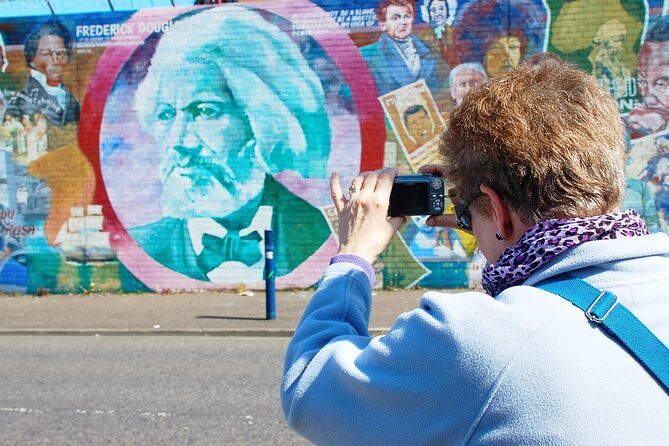
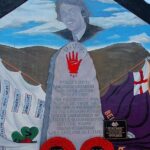
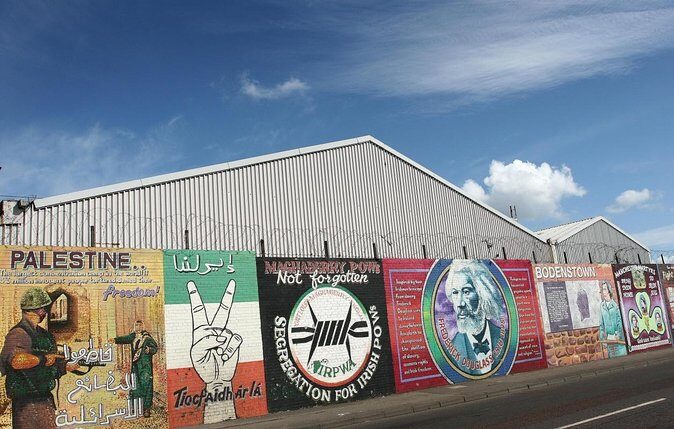
Most tours begin at the foot of the Falls Road, where the area’s colorful welcome murals set the tone instantly. This is where you see how symbolism, political identity, and grief are painted directly onto daily life.
You’ll also get context tied to the wider Troubles story. The Divis area is connected to the Oscar-winning film The Name of the Father, which centers on Gerry Conlon, and your guide can tie that film back to the lived history of the neighborhood.
A practical note: at a mural-heavy start like this, it helps to be ready with your camera, but also ready to put it down. These stops are meant to be understood, not just shot.
Peace Wall time: messages of hope on a real boundary
Next comes the Peace Wall, and the point isn’t just that it’s there. It’s that it still divides Belfast today, physically and emotionally, and your guide will explain the purpose and the tension that comes with it.
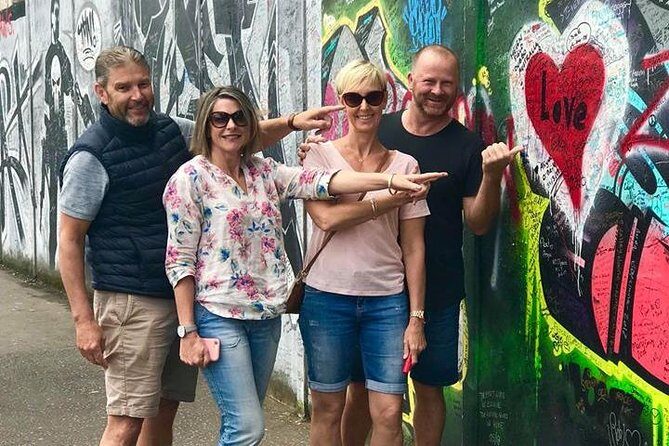
You can write your name and a message of hope on the wall. That one small action can make the tour feel less like a lecture and more like a shared moment—like you’re acknowledging the human cost alongside the political story.
Plan on 20 minutes here. It’s enough time to read what’s already been written, take photos, and still hear the guide’s explanation without rushing through the meaning.
St Peter’s Cathedral and Clonard Monastery: where faith meets political tension
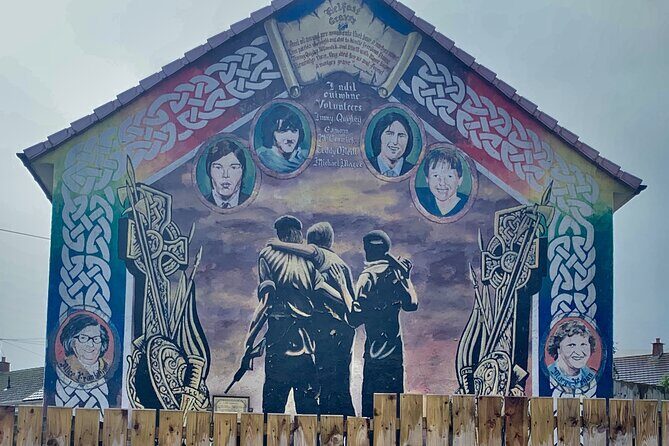
Between murals and walls, you’ll hit quieter, heavier places. St Peter’s Cathedral (Ard Eaglais Naomh Peadar) is in the Divis Street area of the Falls Road, and construction began in the 1860s. It’s the Roman Catholic cathedral church for the Diocese of Down and Connor, and it also has a choir tradition through the St Peter’s Schola Cantorum.
Then you head to Clonard Monastery, built in 1911 in French Gothic style. It’s the home of the Redemptorist priests, and your stop may include a chance to view the building interior if your guide brings you in.
One detail I find particularly useful here: the British secret service bugged the area during early years of the peace process involving Gerry Adams and John Hume and Father Reid. That’s a reminder that even religious and civic settings were not insulated from the conflict.
Crumlin Road Jail, the courthouse, and the Hanging Jail photo moment
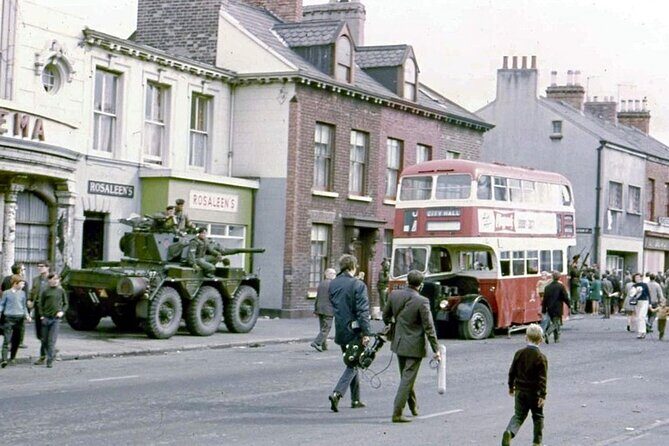
This section turns the story from symbols to consequences. Across from the Crumlin Road Gaol you’ll see the court house area where many political prisoners were jailed between set terms and life sentences, and where prisoners sometimes escaped transport to court.
You’ll also stop at the Hanging Jail area from the outside. The tour notes that 17 people lost their lives there, so this is not a casual photo stop. You’ll get a picture moment, and then you’ll move on—because dwelling too long can feel like you’re standing inside someone else’s punishment.
If you’re the kind of person who needs time to process, bring that energy with you. You don’t want to rush the emotion, but you also don’t want the tour pace to steamroll it.
You can also read our reviews of more private tours in Belfast

Bobby Sands mural: learning the hunger-striker story in one glance
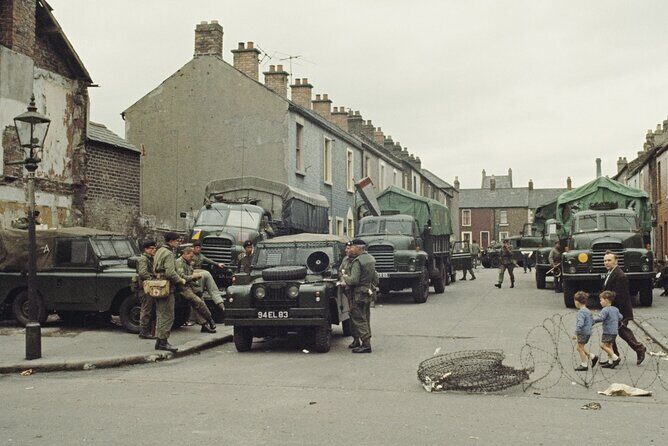
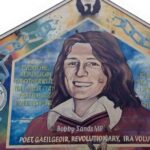
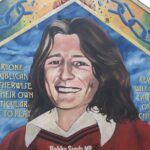
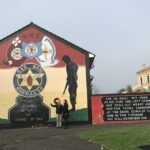
Back on the mural route, you’ll stop for the Bobby Sands mural, described as the most photographed mural in the world. It focuses on Bobby Sands, an IRA hunger striker and leader, and it’s attached to the Sinn Féin headquarters area.
This is a good stop for anyone who knows the headlines but doesn’t know the local framing. Your guide can connect why Sands’ story became such a powerful symbol, and how that symbolism still reverberates in how people talk about justice, sacrifice, and politics.
Because this is a short stop (around 10 minutes), go in with a question ready. Something like, What changed after this period? helps you get real value fast.
Shankill Road: the shift from republican streets to loyalist heartland
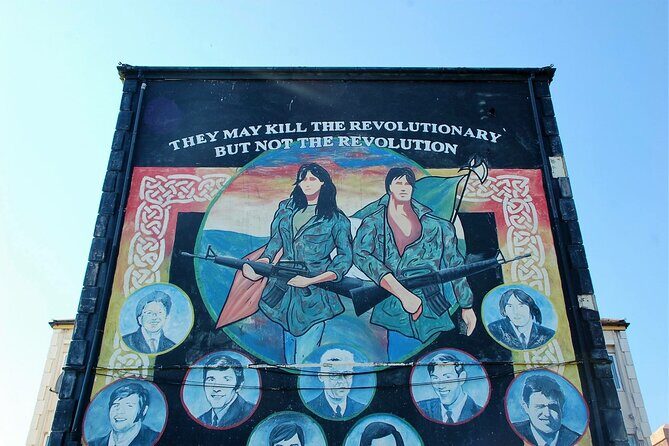
After the Falls Road side, the tour shifts to the Shankill Road, often described as the heart of loyalism and the birth place of the UDA and UVF. You’ll learn how Irish and British regiments figure into the broader war and military identity, including conflicts in the first and second world wars and also against republicanism.
This change of neighborhood matters. If you only focus on one side, you end up with an incomplete map of why the conflict hardened. Seeing both areas—plus the Peace Wall connecting them—makes it easier to understand why reconciliation is complicated.
Give yourself permission to feel unsettled here. The tour doesn’t try to erase fear or anger; it tries to explain how they were formed.
Bayardo Bar attack context: how violence is remembered in street-level detail
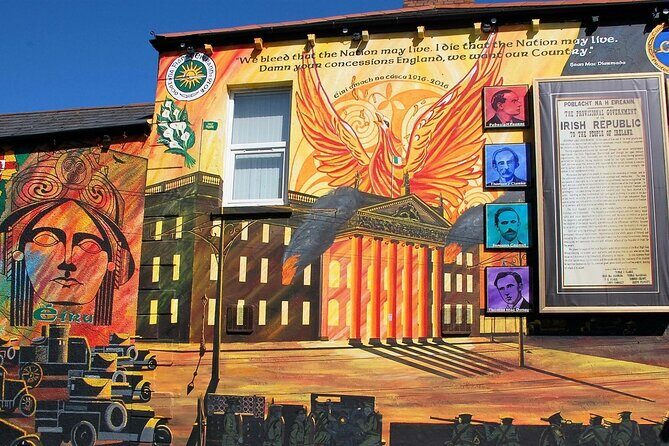
One of the most intense segments is tied to the Bayardo Bar attack on 13 August 1975. The story is that a Provisional IRA unit led by Brendan McFarlane launched a bombing and shooting attack on a pub on Aberdeen Street in the Shankill area.
The tour frames it as having been targeted based on a claim about who the pub frequented, and the aftermath is described clearly: four Protestant civilians and one UVF member killed, with more than fifty injured.
This isn’t “spooky history.” It’s the kind of detail that makes the conflict feel immediate, which is exactly why it can be moving. If you’re sensitive to heavy topics, this is where you’ll want a quiet moment with the guide’s pacing—ask for a pause if you need one.
Clonard Martyrs Memorial Garden: ending with names, dates, and still-existing grief
Near the end, you’ll visit Clonard Martyrs Memorial Garden, which commemorates fallen volunteers of C Company (2nd Battalion, Belfast Brigade, Oglaigh na hEireann) and includes civilian casualties from the Greater Clonard area. It also notes deceased republican prisoners from the area from 1916 to 1970.
Tours also include earlier memorial-style stops, including one commemorating fallen volunteers of D Company with civilian casualties from the Lower Falls area and deceased republican prisoners from 1916 to 1970. Together, those stops show a pattern: people here remember through structured commemoration, not vague “both sides” talking points.
This ending choice is valuable because it gives your brain a place to land. You leave with a clearer sense that the Troubles aren’t only past events; they’re also part of how communities remember and argue.
Timing and pacing: what two hours really means
The overall tour runs about 2 hours. Stop lengths are usually around 10 to 20 minutes, which keeps the momentum but also means you won’t read every plaque at a museum level.
That matters for your expectations. I recommend thinking of this as an orientation tour with emotional depth, not as a full historical syllabus. If you want a second, deeper layer, plan follow-up time on your own around the places that hit you hardest.
There’s also a practical rhythm to expect: you’ll drive between areas, then you’ll get short stop windows with explanation and photos where noted. The tour is designed to help you see a lot without losing the story.
What you get for the price (and what might surprise you)
At $122.64 per person for about two hours, the value is strongest when you want a guided, private story you can steer with questions. You’re paying for transport by private vehicle, plus hotel pickup and drop-off within about 1 km of Belfast City Hall, in addition to the guided stop sequence.
It’s also worth noting what’s included versus not. You’ll get transport, a mobile ticket, and there’s mention of a free photo element. Drinks and food aren’t included, so you’ll want to plan water, especially if the weather turns cool or bright.
One small thing to be aware of: the tour is presented as a black taxi-style experience, but in real life, vehicles can vary by day. If you care a lot about the exact look, I’d ask when you confirm—so you don’t get stuck thinking about the car instead of the story.
Who this tour suits best
This is a great fit if you want:
- A private way to understand both republican and loyalist perspectives
- Street-level context for murals, walls, and memorials
- A guide who can answer questions clearly and keep things humane
It’s not ideal if you want long, slow museum-style reading. The stops are short on purpose, and the content includes heavy material tied to deaths, imprisonments, and attacks.
Families can go too, since children must be accompanied by an adult and the tour says most travelers can participate. Just be ready for serious content at multiple points.
Should you book this Belfast Troubles taxi tour?
I think you should book it if you’re in Belfast for a short time and you want the quickest path to real understanding. The mix of Falls Road murals, the Peace Wall, and the shift to Shankill Road gives you a grounded sense of the city’s divides, plus the memorial stops add the names-and-dates weight that makes it more than sightseeing.
Skip it only if you’re looking for a light, casual tour with minimal intensity. This route deals with violence and loss, and even with good guidance, it will feel serious.
If you do book, bring two things: curiosity and patience with the pace. Ask questions early, and you’ll get far more out of the two hours than you expected.
FAQ
How long is the private Belfast Troubles taxi tour?
It’s about 2 hours.
What’s the meeting and pickup like?
Pickup is offered, with hotel pickup and drop-off within about 1 km of Belfast City Hall. You can pick a departure time and location that’s convenient for you.
What time does the tour run?
You need to pick a time between 7:00 AM and 4:00 PM.
Is the tour private or shared?
It’s private. Only your group participates.
What language is the tour offered in?
The tour is offered in English.
Are the tickets to the stops included?
Many of the listed stops note admission ticket free.
Is food or drinks included?
No. Drinks and food aren’t included.
Are mobile tickets provided?
Yes, you receive a mobile ticket.
Are children allowed?
Children must be accompanied by an adult.
What happens if weather is bad?
This experience requires good weather. If it’s canceled due to poor weather, you’ll be offered a different date or a full refund.
You Might Also Enjoy
More Guided Tours in Belfast


More Tours in Belfast


More Tour Reviews in Belfast
- Titanic Belfast Entrance Ticket: Titanic Visitor Experience Including SS Nomadic
★ 4.5 · 3,698 reviews