Belfast has a way of sticking to your memory. This private city tour turns conflict-era murals, peace lines, and landmark stops into a guided walk through the story Belfast can be hard to piece together on your own. You get a personal guide and efficient in-town transfers, so you’re spending your time looking at the places that matter, not figuring out routes.
Two things I really like are the attention to both sides of the city and the chance to make the Peace Wall moment personal. I also like that a guide such as Barry is reported as friendly and very well informed about the area’s history, with narration that connects Irish and British context as you move from site to site. The one thing to consider: this is emotional material. If you’re hoping for a light, casual sightseeing loop, the murals and memorial stops may feel heavy.
In This Review
- Key things to know before you go
- Why this private Troubles-focused tour beats DIY wandering
- Divis, murals, and the Peace Line: the part that changes how you see Belfast
- A small consideration
- Clonard Monastery and the memorial garden: where the timeline tightens
- Photo reality check
- Shankill Road murals: loyalist memorials with guided context
- Belfast Castle, Queen’s Square clock, Big Fish, and cathedral stops
- Belfast Castle views
- Albert Memorial Clock Tower
- Big Fish on Donegall Quay
- St Peter’s Cathedral
- Thanksgiving Square Beacon
- The route feels efficient: timing, car comfort, and how much walking you’ll do
- Price and value: what $615.91 per person actually buys you
- Who should book this Belfast tour—and who might want a different style
- So, should you book it?
- FAQ
- How long is the Belfast Official Private City Tour?
- Is hotel pickup included?
- Is this a private tour?
- Are admission tickets included for the stops?
- Do I get to visit the Peace Wall and Peace Line?
- What landmarks are included in the route besides murals?
- Is transportation included?
- What is not included?
- Is there an upgrade option for the vehicle?
- Can I cancel for a full refund?
Key things to know before you go
- Hotel pickup and private transfers keep the day comfortable and efficient for a 2 hour 40 minute to 3 hour route
- Divis and the International Wall focus on murals tied to former prisoners of war and street art storytelling
- Peace Wall and Peace Line include time to write your name and leave a message of peace and hope
- Bobby Sands and Clonard stops add hunger strike and 1969-era context through memorial sites
- Shankill Road murals bring in Loyalist mural themes and memorials with guided explanation
- Big Belfast landmarks too, including Belfast Castle views, St Peter’s Cathedral, Big Fish, and the Beacon of Hope
Why this private Troubles-focused tour beats DIY wandering
If Belfast is your first stop in Northern Ireland, it can feel like you’re looking at a city with coded messages. The murals aren’t just decoration, and the walls aren’t just scenery. What makes this tour work is that you’re not left to guess what you’re seeing. A good guide does what your own eyes can’t always do fast: turns symbols, dates, and street locations into a clear timeline.
You also get practical benefits. This is a private tour, so the pace is set for your group. With pickup offered and a driver handling navigation, you can relax during the hops between neighborhoods. That matters here, because the route covers several distinct areas—Divis/Falls and Shankill in particular—plus major central landmarks.
For value, it’s not just the vehicle and the guide. The stops are set up so you spend time at the sites (with admission included at each listed stop), instead of losing an hour to figuring out tickets and entry lines.
You can also read our reviews of more city tours in Belfast
Divis, murals, and the Peace Line: the part that changes how you see Belfast
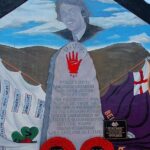
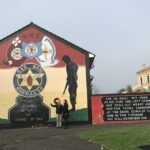
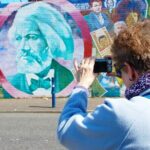
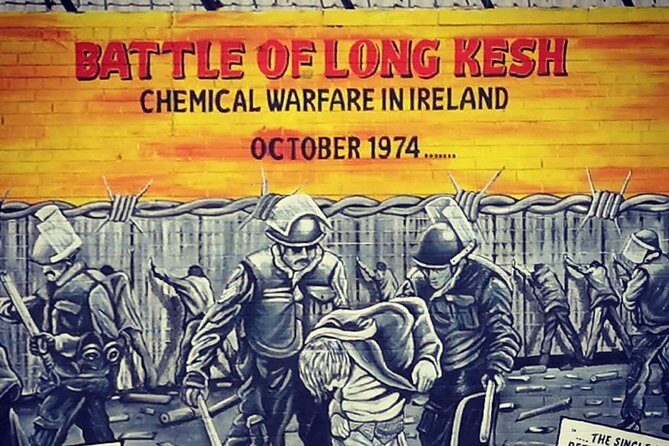
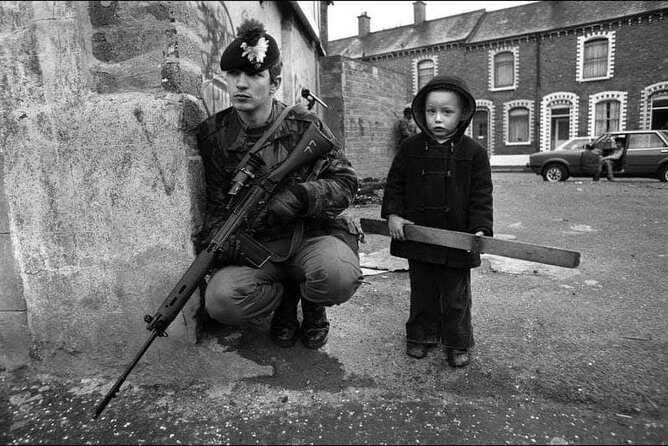
The day’s tone starts near the Divis area, where the city’s interface between Falls Road and Shankill Road is visible in the street layout. You begin with Divis Tower as a reference point, then move to the International Wall Mural on Divis Street. This is a street art stop with serious weight: it features politically charged murals painted by ex-prisoners of war. You’ll have time to look, take photos, and hear what the art is saying—especially about the conflict that lasted more than 30 years.
From there, the tour shifts into the heart of the city’s division story: the Peace Wall and Peace Line. The tour notes that the barrier still stands and that the two communities remain divided. In practice, this is one of those moments where your camera can’t capture the full feeling. The value is in the guided explanation of Irish history tied to why these lines appeared, and why they persist. You’re also allowed to write your name and leave a message of peace, which turns the stop from viewing into participation.
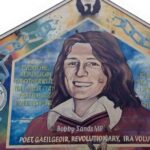
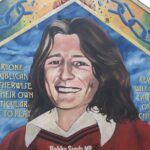
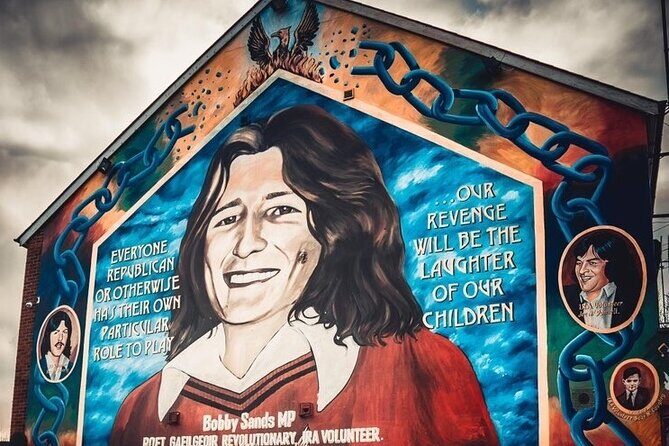
Next comes the Bobby Sands Mural, one of the most photographed murals in Belfast. The stop is short but focused, built for the iconic Bobby Sands image and context—he died on hunger strike in 1981. This is also where a guide helps you avoid the common trap: reducing a mural to just a name. With narration, you get the broader political and human context tied to the moment.
If you’re the type who likes to understand what you’re looking at before moving on, this is where the tour shines. The sequence is logical: interface location → mural language → visible division lines → specific remembered figures.
A small consideration
Because several stops are memorial or politically charged, you may feel like you’re reading emotionally heavy material at street level. If you’re sensitive to conflict content, it helps to go in expecting a serious tone rather than trying to treat it like casual sightseeing.
Clonard Monastery and the memorial garden: where the timeline tightens
After the hunger strike and interface murals, you head to Clonard Monastery and the nearby memorial space: Clonard Martyrs Memorial Garden.
Clonard Monastery was built in 1897 by the Naughton brothers. The tour also highlights that it sits in no-man’s land between the peace line area. That description matters, because it explains why specific buildings feel like they belong to a larger story, not just local architecture.
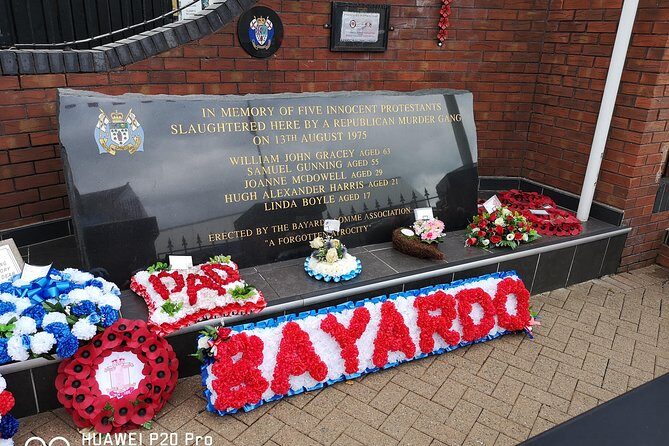
Then you get the memorial garden stop, with time set aside to learn how the present conflict is traced back to 1969 in the tour framing. The memorial garden commemorates fallen volunteers linked to C Company, 2nd Battalion, Belfast Brigade, Oglaigh na hEireann, plus civilian casualties from the Greater Clonard area and deceased republican prisoners from the Greater Clonard area from 1916 to 1970.
What I like about adding this stop is that it gives you a place-based way to understand how events stack over time. Murals help you see the present memory. Memorial sites help you see the longer run-up and the way communities remember loss across years.
Photo reality check
You’ll want photos here, but remember: some of the meaning is tied to silence and respect. If you’re thinking of a lot of quick shots, slow down once. A minute of attention goes a long way at memorial sites like this.
You can also read our reviews of more private tours in Belfast

Shankill Road murals: loyalist memorials with guided context
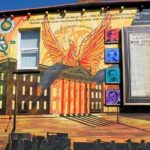
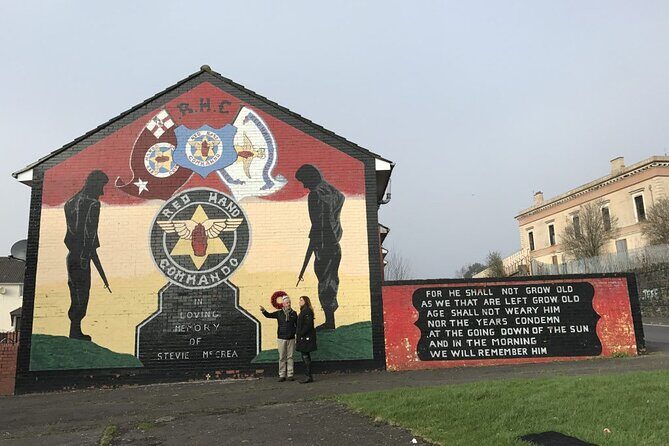
Next you move to Shankill Road, which the tour frames as a major Loyalist area. The stop includes the King William Mural plus other loyalist murals and memorials along Shankill Road. The tour also specifically mentions paramilitary murals tied to the UFF and UDA, as well as Ulster Volunteer Force.
This is the second side-of-the-city piece, and it’s important for balance. If you only see one neighborhood’s mural language, Belfast can feel lopsided—like you’re only hearing one chapter of the story. Shankill Road helps correct that by showing how different communities remember, honor, and express identity through street art and memorials.
The real value isn’t just the pictures. It’s the guided explanation of Ulster Loyalism alongside what you see on the walls. If you want to walk away understanding why murals look the way they do (and why some images are sacred to some people and offensive to others), you’ll feel that here.
Time is tight—about 20 minutes at Shankill Road—so I recommend having your photo priorities in mind. Pick 2–3 spots you want to capture well, then spend the rest of the time listening and looking slowly.
Belfast Castle, Queen’s Square clock, Big Fish, and cathedral stops
After the mural-heavy route, the tour adds major Belfast landmarks that help you reset your brain and connect the conflict-era neighborhoods to the wider city.
Belfast Castle views
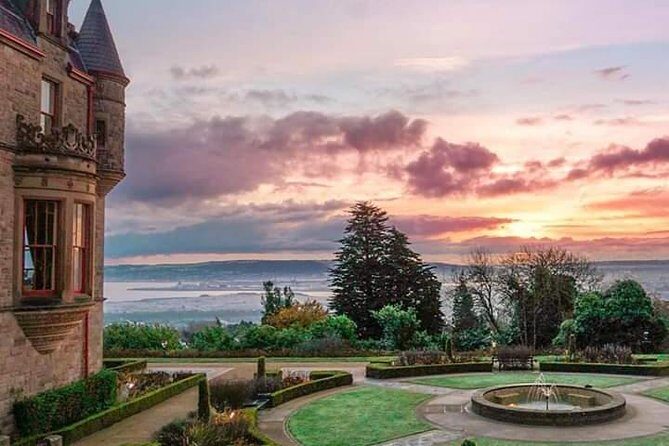
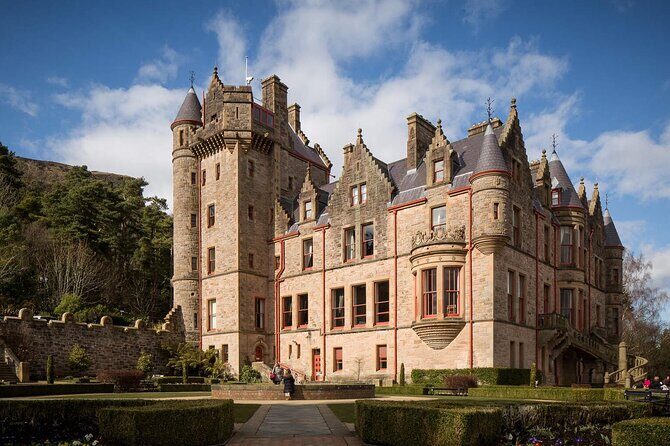
At Belfast Castle, the big win is the view. The tour notes it sits on the slopes of Cavehill Country Park, about 400 feet above sea level, with unobstructed views over Belfast and Belfast Lough. If you’ve been in street-level division zones, the height gives you perspective fast. You see the city as a whole again.
The stop is about 30 minutes, which is enough time to enjoy the scenery without rushing through. If the weather is clear, this becomes one of the most rewarding stops of the day.
Albert Memorial Clock Tower
Then comes the Albert Memorial Clock Tower at Queen’s Square, completed in 1869. It’s one of the best known landmarks of Belfast. This is a quick stop but useful for orientation—another reminder that Belfast isn’t only the Troubles story.
Big Fish on Donegall Quay
Next is the Big Fish, also called the Salmon of Knowledge, a 10-metre-long ceramic mosaic sculpture by John Kindness installed in 1999 on Donegall Quay near the Lagan Lookout and Custom House. This is a fun break after memorial and mural themes, and it’s a great photo stop with a lively public-art vibe.
St Peter’s Cathedral
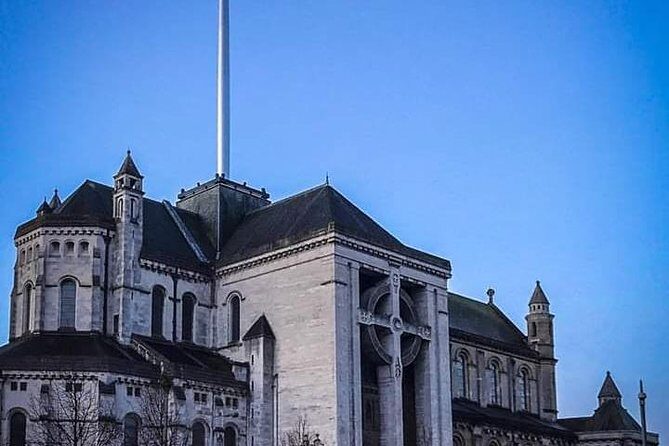
St Peter’s Cathedral is next, tied to the Diocese of Down and Connor. Construction began in the 1860s. This stop sits in the Divis Street area of the Falls Road and adds a religious and architectural anchor to the day’s themes.
Thanksgiving Square Beacon
The route also includes the Beacon of Hope, sometimes called the Thanksgiving Square Beacon. It’s a 19.5-metre-high public art metal sculpture by Andy Scott, built in 2007. The tour mentions a long list of nickname-style references used in the island of Ireland for public works of art. Even if nicknames aren’t your thing, the sculpture gives you a modern Belfast layer that balances the older memorial tone.
The route feels efficient: timing, car comfort, and how much walking you’ll do
This tour is built as a half-day that moves without feeling like a sprint. The listed stops range from about 10 to 30 minutes each, with several shorter mural moments and a few longer landmark breaks.
Because private transportation is included and the driver handles navigation, you’re not stuck in transit searching for parking or trying to connect neighborhoods on your own. The vehicle is described as air-conditioned, which is a real comfort factor if you’re traveling in warm weather.
Also, since this is near public transportation and designed for most travelers to participate, it reads like a practical option for a mixed group. But be honest with your own energy level: the content is mentally taxing, even if the physical walking sounds limited.
Price and value: what $615.91 per person actually buys you
At $615.91 per person, this isn’t a bargain-bin city tour. So the value question is fair.
Here’s what you’re paying for, based on what’s included:
- Private guide and private transportation
- Round-trip transfer from your hotel
- Admission tickets included at the stops listed
- Core sites you might struggle to coordinate alone in one smooth route, especially the mural-and-wall sequence
If you tried to DIY this, you could piece it together—many of these places are public. But you’d still lose time and context without a guide. The big difference is the interpretation. The murals and peace line sites are the kind of places where a guide can prevent you from misreading symbols or missing key timelines.
There’s also an upgrade option noted: a luxury Mercedes V-Class upgrade for £30 where available. That’s optional, not required, but it tells you they think about comfort for the ride.
One more value angle: the tour includes time to sign your name and leave a message of peace and hope. That’s not just a photo stop. It’s part of the experience design.
Who should book this Belfast tour—and who might want a different style
Book this if:
- You want the Troubles story explained through Belfast’s streets
- You’re here for murals, peace walls, memorial gardens, and the landmark anchors that frame the city
- You like a guided pace with minimal navigation stress
- You appreciate both Irish and British context in the same day
Consider skipping or pairing it with lighter sightseeing if:
- You want a purely upbeat, relaxed city tour
- You’re sensitive to conflict and memorial material
- You prefer to keep your day centered on architecture and art only, without political context
So, should you book it?
I think this is a strong choice for a first-time Belfast visit—especially if you want to understand what you’re seeing instead of just watching it pass by. The mix of mural stops, the Peace Wall time to write a message, and the reset stops like Belfast Castle and Big Fish makes the half-day feel balanced, not one-note.
If the topic feels too heavy, you’ll know quickly. But if you can handle serious history and want real context, this tour is set up to help you leave Belfast with a clearer head and a more lasting understanding.
FAQ
How long is the Belfast Official Private City Tour?
The tour lasts about 2 hours 40 minutes to 3 hours.
Is hotel pickup included?
Yes. Pickup is offered, with round-trip transfer from your hotel included.
Is this a private tour?
Yes. It’s a private tour/activity, and only your group participates.
Are admission tickets included for the stops?
Admission tickets are included for each listed stop, including mural and landmark sites.
Do I get to visit the Peace Wall and Peace Line?
Yes. The tour includes a visit to the Peace Wall and Peace Line, including the chance to sign your name and leave a message of peace and hope.
What landmarks are included in the route besides murals?
The route includes stops such as Belfast Castle, the Albert Memorial Clock Tower, Big Fish on Donegall Quay, St Peter’s Cathedral, and the Beacon of Hope in Thanksgiving Square.
Is transportation included?
Yes. Private transportation is included, with an air-conditioned vehicle and a driver handling navigation.
What is not included?
Tips for your guide are not included. Airport transfers and extra costs for train and bus stations outside central Belfast are also not included.
Is there an upgrade option for the vehicle?
Yes. There is an upgrade to a top of the range luxury Mercedes V-Class for £30 where available.
Can I cancel for a full refund?
Yes. Free cancellation is available up to 24 hours in advance for a full refund.
You Might Also Enjoy

More City Tours in Belfast

More Tours in Belfast


More Tour Reviews in Belfast
- Titanic Belfast Entrance Ticket: Titanic Visitor Experience Including SS Nomadic
★ 4.5 · 3,698 reviews