REVIEW · BELFAST
2 Hour Private Belfast Taxi Cab Tour of Troubles & Peace walls
Book on Viator →Bookable on Viator
Belfast’s walls talk, and this taxi tour lets you listen. I like the way the route stitches together the murals and peace walls into a clear story, and I really enjoy hearing it from a local guide who lived the Troubles up close. One thing to plan around: this is sensitive territory, so you’ll want a steady head and a respectful attitude when the conversation turns personal.
You’ll ride around in a private black cab for about two hours, with a choice of morning or afternoon departure, plus hotel or port pickup. The pace is brisk but not rushed, and the stops are timed for photos, quick context from your driver, and a short chance to take it all in.
You’ll also want to travel with a camera habit. These murals and wall quotes are the kind of images that hit harder when you see the scale in person.
In This Review
- Key Points You’ll Care About
- What This Tour Really Gives You (Beyond the Photos)
- Price and Value: $117.83 Per Person Is the Real Question
- Your Black Taxi Ride: How the Timing Feels in Real Life
- Stop-by-Stop: What You’ll See and Why It Matters
- Falls Road Library: The Bobby Sands Mural Moment
- Shankill Road: Loyalism and the Story Told in Street Form
- The Peace Wall: Scale, Messages, and Writing on the Wall
- International Mural Wall on Divis Street: Art With a Bigger Reach
- Clonard Monastery: Where Secret Talks Became Real
- Bombay Street: The Provisional IRA, 1969, and the Road to the Peace Process
- The 1800s Hanging Jail Stop: Prisoner Stories and Escape Attempts
- The Guides: Why Their Personal Perspective Is the Difference
- Photography Tips: Get the Shots Without Missing the Meaning
- Who This Tour Is Best For (And Who Might Prefer Something Else)
- Practical Considerations: Weather, Sensitivity, and Comfort
- Should You Book This Tour?
- FAQ
- How long is the Belfast black taxi tour?
- What is the price per person?
- Is this a private tour or a shared group?
- Where do we meet the guide?
- Is pickup included?
- What language is the tour in?
- What stops are included?
- Does the tour run in any weather?
- Can children or service animals join?
Key Points You’ll Care About
- Private black taxi ride through Belfast’s most charged neighborhoods, not a big-bus version of the same stops
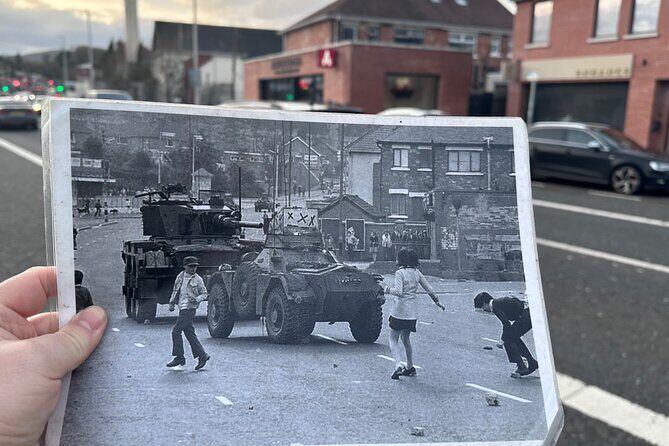
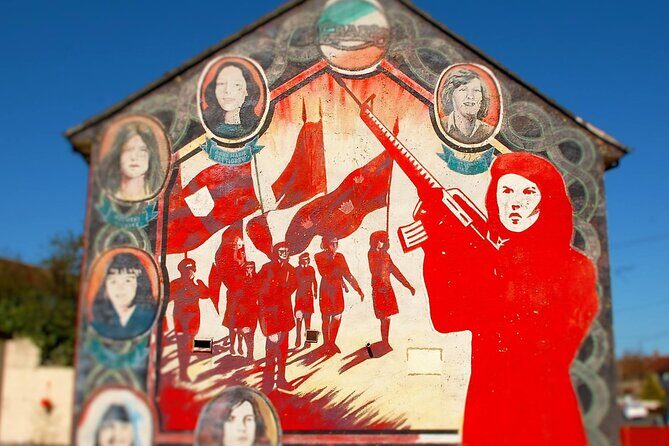
- Murals with specific meaning, including the Bobby Sands mural area on Falls Road and Loyalist murals around Shankill Road
- A hands-on peace wall moment, including writing on one of the peace walls and seeing its impressive size
- Real-life peace-process context, with stops tied to the secret talks between Gerry Adams and John Hume
- Good photo opportunities, and enough time at each stop to capture details without feeling trapped in a line
- Weather matters, since the tour requires good conditions to run
What This Tour Really Gives You (Beyond the Photos)
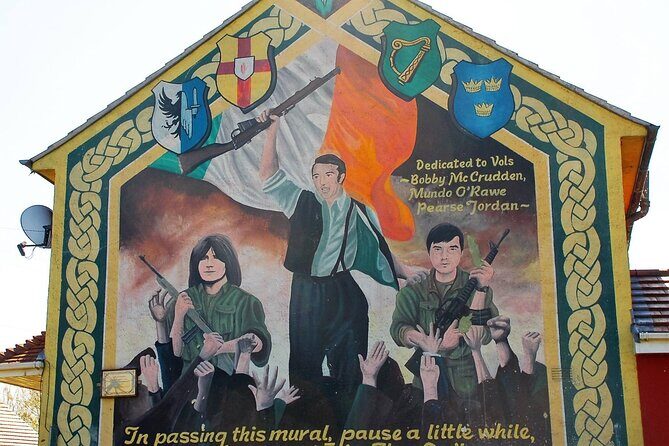
A black taxi tour can sound like a shortcut: sit, look, learn a few facts, move on. This one works better because it uses the city like a living textbook. You don’t just point at murals. You get help understanding why the art is there, why it stays, and what it’s trying to communicate now.
I also like the structure of the stop sequence. It moves through the city’s major fault lines—the Falls Road side and the Shankill Road side—then transitions to the peace walls and the messaging that tries to stitch a broken place back together. That arc matters. Without it, you can end up seeing impressive images without grasping the human weight behind them.
The price is not low, so think of it as paying for two things you can’t easily replicate on your own: a guided reading of the streets and the convenience of a private driver who knows where to take you and when. With a group, the value often feels better than when you’re solo, but even solo you’re buying time and context.
You can also read our reviews of more private tours in Belfast
Price and Value: $117.83 Per Person Is the Real Question
At about $117.83 per person for a roughly two-hour private tour, you’re paying for a premium format: private vehicle, professional guide, and pickup/drop-off (including port pickup). The route is focused, the stops are short and efficient, and the guide’s context is the main product.
Here’s how I’d judge the value if I were planning it for my own trip:
- If you want a quick, guided way to understand why Belfast looks the way it does, this delivers. Murals and walls are visually striking, but they’re also political and religious symbols. A good guide turns “interesting art” into “I get what this meant.”
- If you prefer wandering slowly on your own, or you already know a lot about the Troubles, you might feel the time pressure. The stops are purposely brief, so you’re not getting a long, museum-style experience.
- If your schedule is tight, the pickup and the private taxi format can be the difference between seeing the right places and just scratching the surface.
Your Black Taxi Ride: How the Timing Feels in Real Life
This tour is about two hours total, with timed stops that average around 10–25 minutes each. That means you’ll spend some time standing on street corners for photos and quick explanations, then you’ll move again.
That’s the trade-off of a short city tour. You’ll leave with a strong overview, but you won’t have time to linger on every detail. Bring a charged phone, storage space for photos, and a willingness to accept that you’ll learn the bigger story first, then go back later (or read more) if something really hooks you.
Also, confirm your departure choice. You get morning or afternoon options, and choosing the right time for your day can make a big difference for photos and for how long you can comfortably stand outdoors.
Stop-by-Stop: What You’ll See and Why It Matters
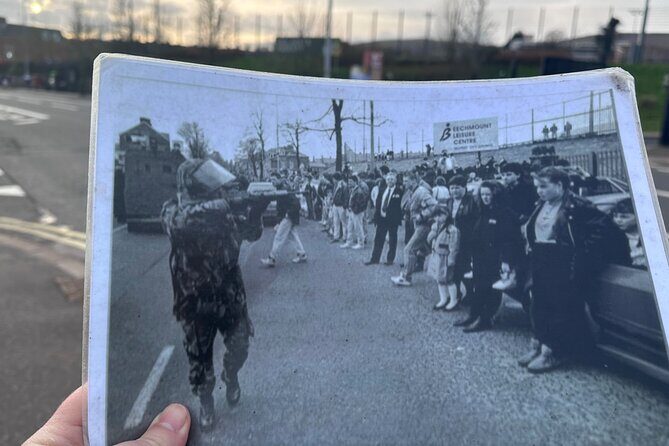
Falls Road Library: The Bobby Sands Mural Moment
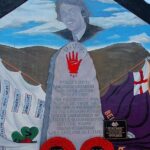
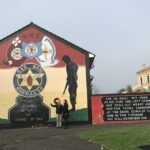
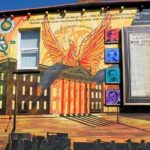
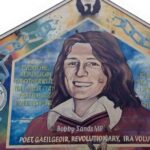
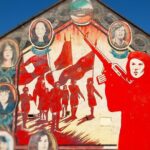
The first stop centers on Falls Road and the famous Bobby Sands mural area, including a photo opportunity by what’s described as the most photographed mural in the world. It’s also near Sinn Féin headquarters, which adds a layer of political context to the street scene.
Why this stop works: murals here aren’t just decoration. They reflect identity, memory, and political messaging tied directly to the Troubles era. Even if you only catch a few details from your guide, the setting helps you understand how people in Belfast used public art to make their story visible.
How to use your time well: take your photo, then ask one or two specific questions. A good follow-up might be about how murals function as community statements, not just as images.
A few more Belfast tours and experiences worth a look
Shankill Road: Loyalism and the Story Told in Street Form
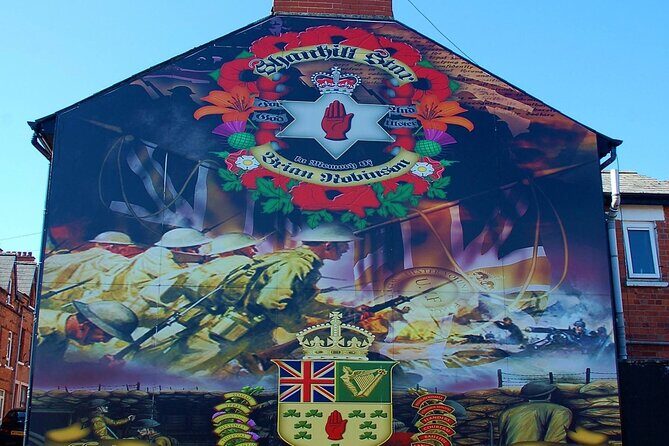
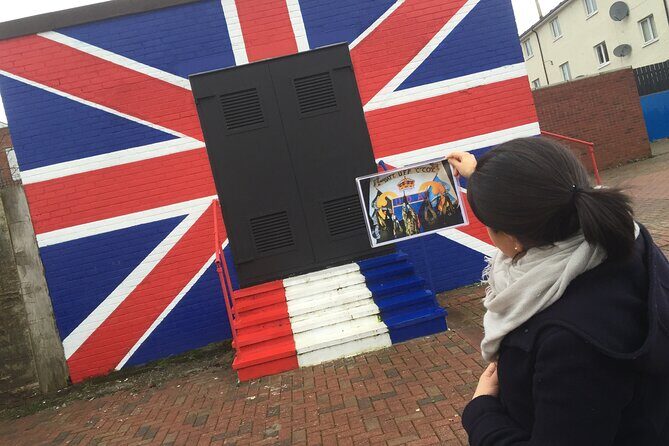
Next you head to Shankill Road, described as the heart of Loyalism. This is where the tour connects the neighborhood to the birth of groups like the U.V.F and U.F.F, and it frames the Troubles as something experienced block by block.
This stop can feel emotionally heavy if you’re not prepared for how direct the symbolism can be. But that’s also why it’s valuable: you see that the city’s divisions weren’t abstract. They were lived.
Practical note: you’ll have about 25 minutes here, which is enough for a couple of photos and a guided explanation. If you’re the type who sees a mural and wants the full story for every face, you’ll likely wish the stop were longer. Keep your questions targeted.
The Peace Wall: Scale, Messages, and Writing on the Wall
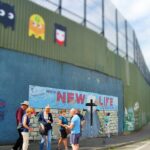
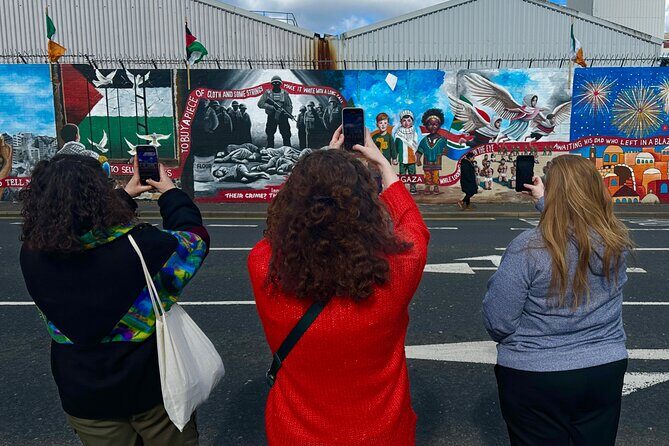
Then comes the peace wall experience, where you can write on the famous wall that stretches across a divided city. The tour description points out its dramatic scale, saying it’s about five times bigger than the Berlin Wall in height, plus the wall has been graced with peace quotes by well-known figures such as Lady Gaga, Morgan Freeman, and President Clinton.
Why I’d make this a priority: murals show identity and history; a peace wall shows aspiration and negotiation. Writing on the wall turns it from watching history into participating in a message of the present.
Timing is about 15 minutes, so don’t plan on a long pause to process quietly. Instead, use the moment for one short reflection, then write something simple. If you want a photo, do it before you’re done so you don’t feel rushed at the end.
International Mural Wall on Divis Street: Art With a Bigger Reach
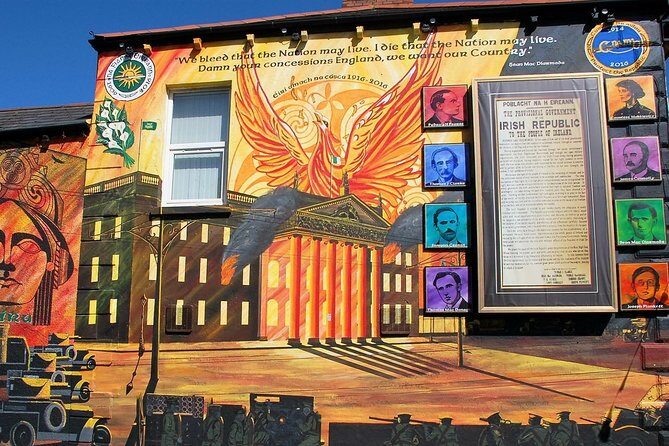
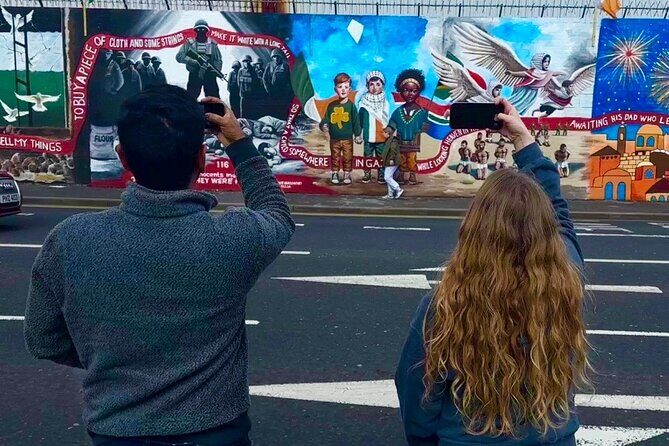
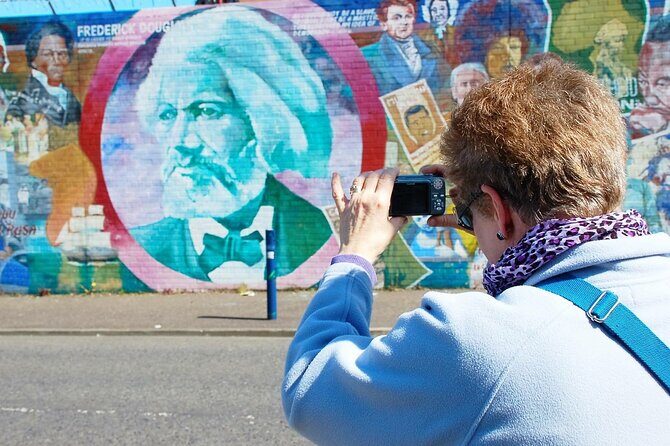
Next is the International Mural Wall at Divis Street, where you’ll see over 60 murals painted by local artists with support from artists and countries including Cuba, Turkey, and Palestine.
This stop is important because it changes the tone. You’re still in the Belfast context, but now the message is wider: people using art to speak across borders and build a shared language of struggle, hope, and solidarity.
You’ve only got around 10 minutes here. That’s perfect for a quick scan and a few focused shots. If you’re a detail photographer, move your camera from wide shots to close-ups fast, or you’ll run out of time.
Clonard Monastery: Where Secret Talks Became Real
At Clonard Monastery, you’re in the heart of the Falls Road area, with a connection to the secret talks between Gerry Adams and John Hume.
This is one of those stops where the building matters less than the idea attached to it. Your guide’s context can help you see how peace wasn’t only announced on TV. It was negotiated in specific places, with people carrying real risk.
Plan to keep this stop short and thoughtful. You’re there for context, not for a long visit.
Bombay Street: The Provisional IRA, 1969, and the Road to the Peace Process
Bombay Street is where the tour brings you into the origin story of the Provisional Irish Republican Army after community homes were burned out in 1969. The guide frames this area through about 800 years of British and Irish history and connects it to the idea of the peace process and the end game.
This stop can broaden your understanding quickly. It’s not only about one year or one event, but about how long tensions echo through generations.
You’ll have about 20 minutes. That’s plenty to learn the big timeline, but if you want to ask for the deeper history, be ready for a conversation that could run long. Keep your questions simple: what changed, what stayed the same, and why did it matter here?
The 1800s Hanging Jail Stop: Prisoner Stories and Escape Attempts
The tour also includes a stop at a built-in-the-1800s site described as a hanging jail, used up to the 1960s. The description notes it housed famous loyalist and republican prisoners and that there were many escapes.
Even though you don’t get a long stay here, it adds muscle to the story. When you learn how imprisonment and violence shaped the Troubles, the murals and peace messaging stop feeling like random street art. It becomes part of the same system of control, resistance, and memory.
Again, time is limited, so listen closely to what your guide connects this place to in the larger narrative.
The Guides: Why Their Personal Perspective Is the Difference
This kind of tour lives or dies on the guide. The best parts of this experience are consistently about personal storytelling mixed with clear explanation.
In the feedback you’ll see names like Harry, Sean, Danny, Brendan, David, Joe, and Tommy tied to tours where people highlight friendliness, patience with questions, and a firsthand feel for the politics and lived reality. That blend matters. You don’t want a lecture. You want context that feels human.
When you ask questions, ask in a way that keeps the conversation respectful but specific. Things like what the murals are trying to communicate, what changed after key events, or why the peace walls took the shape they did.
If you’re worried about saying the wrong thing, don’t. Just start with curiosity. Guides on this route are used to explaining difficult topics with care.
Photography Tips: Get the Shots Without Missing the Meaning
You’ll likely take a lot of photos. The tour is built for it, and one note from the experience description is to have plenty of room on your phone or camera.
But don’t rely on photos alone. Try this simple habit:
- Take one wide shot first, so you remember where you were.
- Then get a close-up of a specific mural detail or message.
- Finally, take one photo that includes your surroundings so the scale makes sense.
In Belfast, scale matters. A mural can look dramatic in a photo, but it becomes more powerful when you see the street width, the distance, and how the community interacts with it day to day.
Also, if you plan to write on the peace wall, make sure your camera time doesn’t eat into the writing moment. That’s the part you’ll remember later.
Who This Tour Is Best For (And Who Might Prefer Something Else)
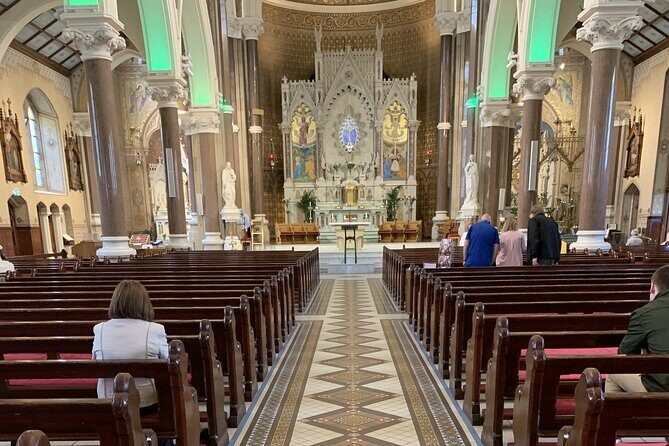
You’ll be a great fit if you want a fast, guided overview of Belfast’s murals, peace walls, and the street-level story of the Troubles. It’s also ideal if you like conversation and you learn best when history comes with a human voice.
You might not love it as much if you’re looking for a slow, contemplative experience. This tour is paced to cover multiple stops in a tight window. If you want long stays at fewer places, consider other formats.
It’s also worth mentioning that the tour is private, so your group can set the tone a bit more than on a shared bus. Still, keep expectations realistic: this is a two-hour window, and the goal is understanding, not checking every box of detail.
Practical Considerations: Weather, Sensitivity, and Comfort
This experience requires good weather. If conditions are poor, you may be offered a different date or a full refund, so pack for standing outdoors.
Dress for cooler street air and bring layers if you’re doing this in shoulder seasons. Even when you’re not walking far, you’ll be parked near walls and murals for short stretches.
Finally, be mindful about the nature of the topics. This is about conflict, identity, and community wounds. A little respect goes a long way, and your guide will likely appreciate you keeping questions thoughtful.
Should You Book This Tour?
If your goal is to understand Belfast quickly, this is a strong choice. The private taxi format saves time, the stop list hits the major visual and historical themes, and the peace wall + written message moment gives the experience a personal beat.
Book it if:
- you want a guided street-level explanation of the Troubles era
- you like learning from someone who grew up there
- you want photos, but not at the cost of understanding
Consider a different option if:
- you hate rushed itineraries and need long stops
- you’re not comfortable with sensitive, political subject matter
- your schedule can’t handle outdoor time and weather shifts
FAQ
How long is the Belfast black taxi tour?
It runs for about 2 hours.
What is the price per person?
The price is listed as $117.83 per person.
Is this a private tour or a shared group?
It is a private tour/activity, meaning only your group participates.
Where do we meet the guide?
The tour starts at Belfast City Hall, Donegall Square N, Belfast BT1 5GS, UK, and it ends back at the meeting point.
Is pickup included?
Pickup is offered, including hotel/port pickup and drop-off.
What language is the tour in?
The tour is offered in English.
What stops are included?
The tour includes stops such as Falls Road Library, Shankill Road, a Peace Wall, the International Mural Wall on Divis Street, Clonard Monastery, Bombay Street, and a separate stop described as an 1800s hanging jail site.
Does the tour run in any weather?
The experience requires good weather. If it’s canceled due to poor weather, you’ll be offered another date or a full refund.
Can children or service animals join?
Children must be accompanied by an adult, and service animals are allowed.
You Might Also Enjoy
More Private Tours in Belfast

More Tours in Belfast



More Tour Reviews in Belfast
- Titanic Belfast Entrance Ticket: Titanic Visitor Experience Including SS Nomadic
★ 4.5 · 3,698 reviews