REVIEW · BELFAST
2 Hour Terror and Mural History Belfast taxi Private Tour
Book on Viator →Bookable on Viator
Murals have a way of sticking. In just two hours, this Belfast taxi tour strings together Peace Walls and Troubles-era murals with stops that explain what you’re seeing, not just where it is.
I like the tight pacing: you get nine key sites with a sensible time split, so the story doesn’t blur. I also like the balance in the way the conflict is framed, including both Catholic/nationalist and Protestant/unionist perspectives you can literally read in the street art. One thing to consider: this is political history in close quarters, and some murals and memorials can feel heavy.
In This Review
- Key Things I’d Watch For on This Belfast Taxi Tour
- A Two-Hour Taxi Loop That Packs Belfast’s Toughest Chapters
- Why that “short and sharp” plan matters
- From Peace Walls to “Fort Apache”: Belfast’s Separation on Display
- The second stop goes up to the sky: Divis Flats
- Falls Road Murals: International Solidarity and the Bobby Sands Legacy
- What I like about these two stops together
- A consideration
- Clonard Monastery and the Martyrs Garden: Peace Comes From People
- Why this section is valuable
- Crumlin Road Gaol: The Troubles in Prison Form
- Bombay Street Peace Lines: Where the Provisional IRA Story Breaks Wide Open
- What I think makes this stop hit
- Shankill Road Murals: Loyalist Perspective, Big Visual Clarity
- The best way to experience this
- Price and Value: Is $190.59 for Two Hours Worth It?
- Timing, Getting There, and How the Stops Actually Feel
- Meeting point and pickup
- Group size and language
- What to bring
- Who Should Book This Tour?
- Should You Book This 2 Hour Terror and Mural History Belfast Taxi Tour?
- FAQ
- How long is the Belfast taxi tour?
- Where does the tour start?
- Does the tour offer pickup?
- Is there a mobile ticket?
- What language is the tour offered in?
- What stops are included?
- Is admission included for all stops?
- What is the maximum group size?
- Are service animals allowed?
- Is there free cancellation?
Key Things I’d Watch For on This Belfast Taxi Tour
- You’ll cover nine major sites in two hours, with calm walking breaks and quick taxi hops.
- Peace Wall + Divis + Falls Road murals give you the Troubles through both barriers and street art.
- Clonard Monastery connects religion to real peace-making, not just slogans.
- Crumlin Road Gaol shows the justice system side of the Troubles, right down to the tunnel story.
- Shankill Road murals add the loyalist viewpoint, so you’re not stuck in one narrative.
- The format is built for first-timers who want maximum context without spending a whole day commuting.
A Two-Hour Taxi Loop That Packs Belfast’s Toughest Chapters
This is a short, focused private taxi tour that runs about 2 hours and keeps things efficient for a city that can feel complicated fast. You start at the Leonardo Hotel Belfast on Great Victoria Street (BT1 6DY), and the tour ends back at that same meeting spot. It’s offered in English, with a mobile ticket, and the group size tops out at 25 travelers.
What makes this format work is the rhythm. You’ll move quickly between areas that are historically and politically distinct, and each stop gets just enough time to understand what you’re looking at before you’re whisked onward. Expect short walks and photo stops rather than long museum-style pacing.
You can also read our reviews of more private tours in Belfast
Why that “short and sharp” plan matters
If you’re visiting Belfast for a day or two, two hours can be the sweet spot. You won’t leave overwhelmed by dozens of attractions. You’ll leave with a working map of the city’s story: walls, neighborhoods, murals, prisons, and memorial sites—plus the context to interpret them.
From Peace Walls to “Fort Apache”: Belfast’s Separation on Display
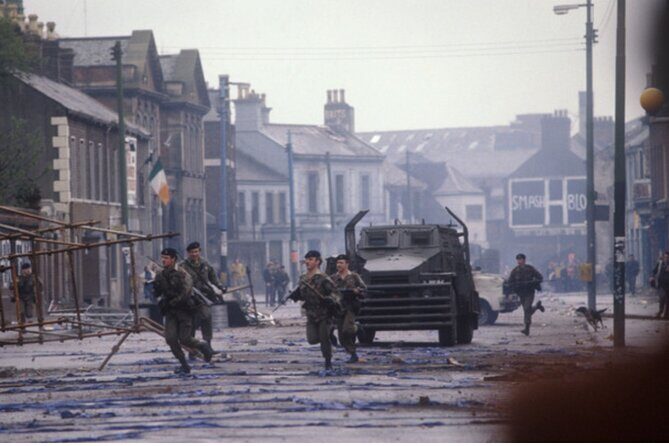
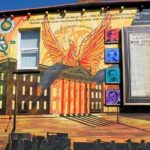
The tour starts with a landmark that’s hard to miss once you know what it is: the Peace Wall. These barriers were erected during the Troubles in the late 1960s, with the original purpose of separating Protestant and Catholic neighborhoods. Today, they still stretch across multiple miles in places, and in some areas gates close nightly—one of those details that makes history feel like it’s still present, not safely archived.
You’ll spend about 20 minutes here, and admission is included. That time window is useful. The Peace Walls aren’t just concrete. They’re covered with murals and graffiti—and those visuals are often the real language of the neighborhood. With a guide calling out what you’re seeing, you can learn how the art and writing relate to events, fear, identity, and later calls for peace.
The second stop goes up to the sky: Divis Flats
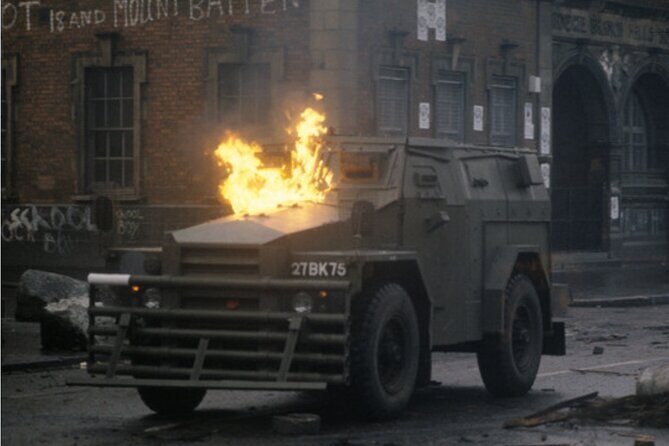
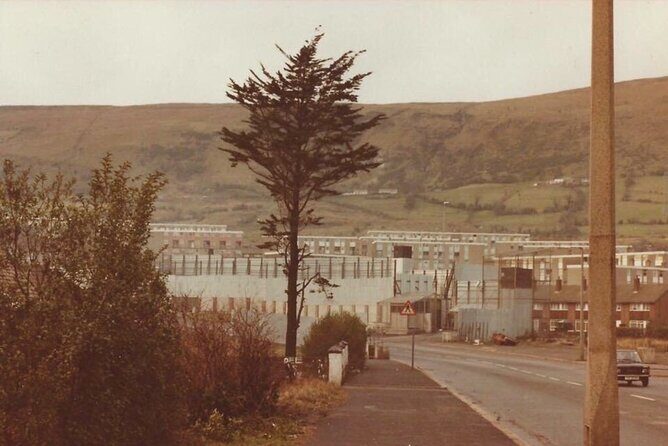
Next is Divis Flats (about 10 minutes). Built in the late 1960s, these high-rise flats became a flashpoint for sectarian violence and civil unrest. The area was predominantly Catholic and faced heavy conflict involving British security forces.
At the center of Divis Flats was a British Army base on top of the tallest building, known as Fort Apache. The point of that setup was surveillance and strategic control, but the impact on daily life was intense. You get a strong sense here of how power can be physical—literally built into a residential skyline.
In my mind, this is one of the best transitions on the tour: you go from neighborhood separation (Peace Walls) to neighborhood pressure (an army base perched above homes). That contrast makes the next mural stops land harder, because now you see the backdrop.
Falls Road Murals: International Solidarity and the Bobby Sands Legacy
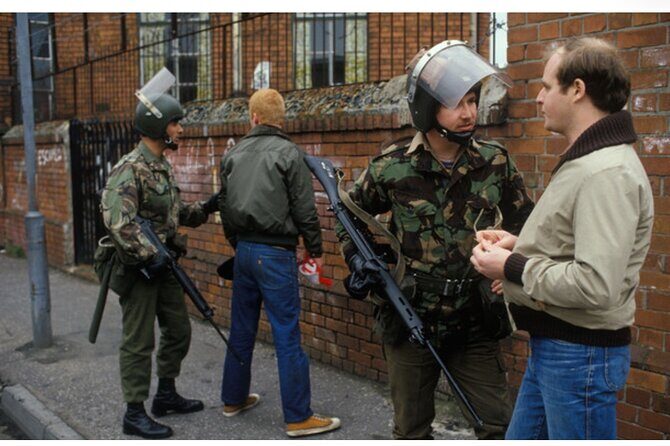
Two of the most well-known parts of Belfast’s street art story happen on the Falls Road area.
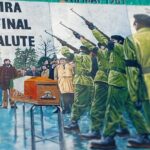
First is the International Mural Wall on Divis Street / Falls Road (about 10 minutes, free to visit). This wall is tied to the 1980s and acts like an evolving canvas: it reflects local political history from the Troubles while also pointing outward to global issues and human rights. If you’ve ever wondered how Belfast activism became part of a wider conversation, this stop gives you that link quickly.
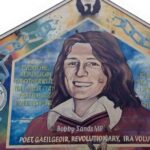
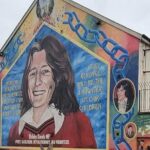
Then comes the Bobby Sands Mural (about 10 minutes, free). Bobby Sands was a member of the Provisional Irish Republican Army (IRA) who died during a hunger strike in 1981. He was also elected as a Member of Parliament during the strike, which helps explain why the mural isn’t just commemorative—it’s political.
You can also read our reviews of more historical tours in Belfast

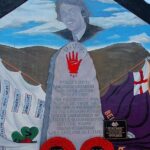
What I like about these two stops together
The International Wall helps you see how themes travel: resistance, peace, community identity, and solidarity with causes beyond Belfast. The Bobby Sands mural brings the focus back down to one person’s role in a larger conflict. Together they teach you how street art works in Belfast: it can be both local memory and broader messaging.
A consideration
These murals can make people feel strongly—on any side of the divide. If you’re the type who prefers everything neutral, you may find the language direct. But if you come ready to learn what those images meant to the communities making them, the murals become one of the most rewarding parts of the day.
Clonard Monastery and the Martyrs Garden: Peace Comes From People
After the mural intensity, the tour shifts to something quieter but very meaningful: Clonard Monastery (about 10 minutes, free). This red-brick church dates to 1896 and became a significant beacon during the Troubles.
The standout figure here is Father Alec Reid, who played a pivotal mediating role between conflicting parties. His behind-the-scenes work helped set the stage for dialogue that eventually fed into the Good Friday Agreement in 1998. That’s a big deal for you as a visitor because it shows peace wasn’t only negotiated in headlines. It was built through relationships, persuasion, and difficult conversations.
Right next door is the Clonard Martyrs Memorial Garden (about 15 minutes, free). This remembrance garden honors local lives lost during the Troubles, using plaques and memorials among greenery. It’s a reflective stop—less about argument, more about acknowledging cost.
Why this section is valuable
It’s easy to think of the Troubles only through conflict and walls. Clonard adds the missing half: reconciliation efforts and the human work that supported political change. Even if you’re not religious, the architecture and the tone of the space make the message land.
Crumlin Road Gaol: The Troubles in Prison Form
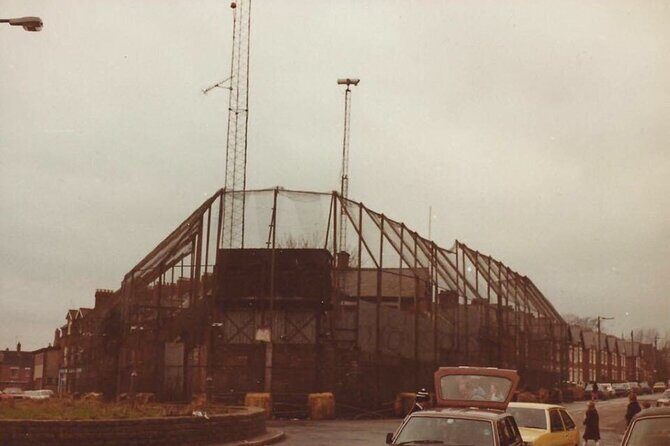
Next up is Crumlin Road Gaol and Courthouse (about 10 minutes, free). This is a restored 19th-century prison complex tied directly to the Troubles. It held both political and criminal prisoners, including members of the IRA and loyalist paramilitaries. The adjoining courthouse hosted many high-profile trials related to the conflict.
What you learn here matters because it reframes the story. Instead of only street-level clashes, you see the legal and carceral side—escapes, hunger strikes, riots, and the ongoing tension that surrounded incarceration.
The tour also notes a tunnel connecting the jail to the courthouse. That detail is chilling for a simple reason: it shows how justice, punishment, and confrontation were physically connected.
Bombay Street Peace Lines: Where the Provisional IRA Story Breaks Wide Open
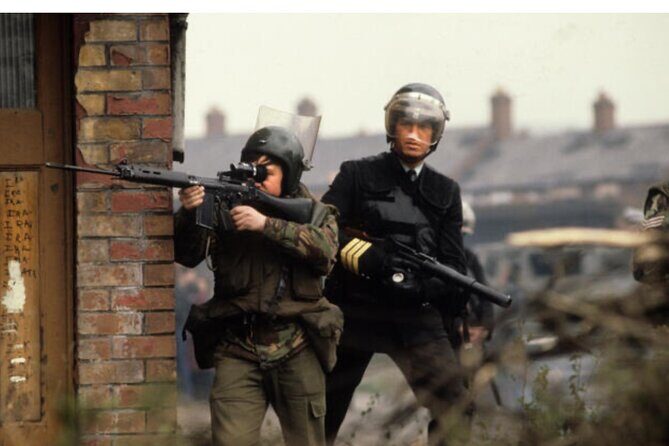
From North Belfast to West Belfast, you’ll then stop at Bombay Street, described as part of the Belfast Peace Lines area, marking the birth of the Provisional IRA in 1969.
The tour context is specific: intense sectarian riots erupted in August 1969, and homes on Bombay Street were destroyed. Many Catholic families were displaced, and they felt abandoned by the state and by existing IRA structures. In that vacuum, a faction broke away to form the Provisional IRA, focused on defending nationalist communities and pursuing Irish reunification through armed resistance.
Today, you’ll find memorials and restored homes that keep the memory visible without needing explanation every second.
What I think makes this stop hit
It’s the sense of turning points. You’re not just looking at a wall or a mural. You’re looking at the kind of moment that can change a conflict’s trajectory—and you’re seeing how communities remember it in physical form.
Shankill Road Murals: Loyalist Perspective, Big Visual Clarity
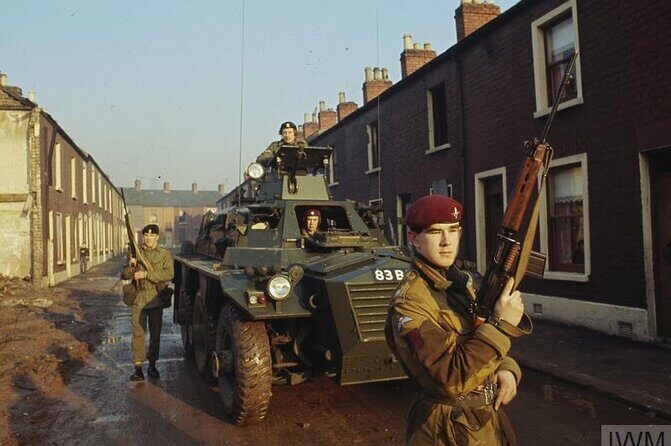
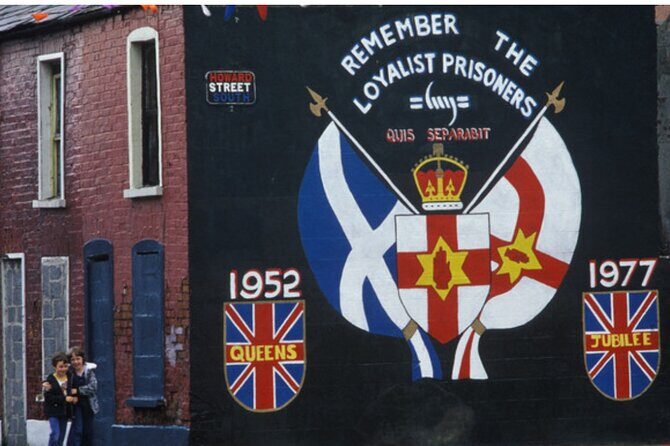
To balance the story, you finish with Shankill Road (about 20 minutes, free). This area is tied to the birth of loyalist paramilitary groups, including the Ulster Volunteer Force (UVF) and the Ulster Freedom Fighters (UFF). The UFF was established in 1973 as a cover name for the Ulster Defence Association.
These groups emerged amid rising conflict in the late 1960s and early 1970s, with the aim of keeping Northern Ireland within the UK. The political murals along Shankill Road show key figures, events, and ideas from the loyalist cause, giving you a visual counterweight to what you saw earlier on the nationalist side.
The best way to experience this
Don’t treat the murals like museum pieces. Treat them like community communication—designed to be read, remembered, and argued with. A good guide helps you connect the paint to the politics without turning it into a debate club.
If you want an even-handed day, this ending matters. You leave knowing that Belfast’s Troubles weren’t just one story, and that different communities experienced fear and identity in sharply different ways.
Price and Value: Is $190.59 for Two Hours Worth It?
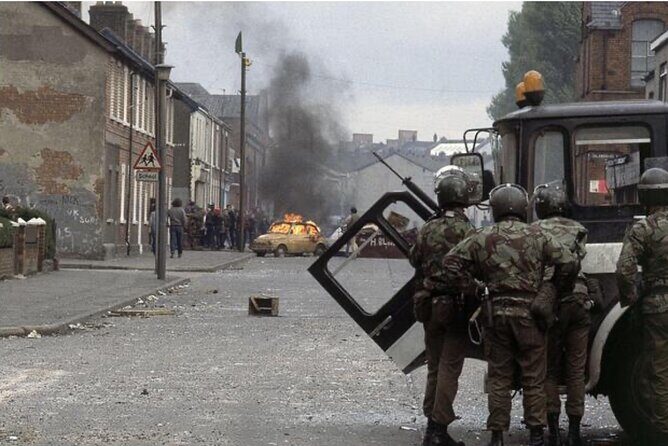
At $190.59 per person, this isn’t a budget pickup. But you are paying for a focused, guided, taxi-driven route that hits major sites in a tight loop.
Here’s the practical value math:
- You get about 2 hours of guided time across multiple politically significant districts.
- Peace Wall admission is included (while several other stops are free visits).
- Parking fees are included, which matters because you’re moving through areas that aren’t always easy to access quickly.
- You’re not spending your day sorting buses, trams, and walking distances across neighborhoods that can take longer than you expect.
The main question isn’t whether it’s expensive. It’s whether you’re using those two hours well. If you want a “first Belfast history tour” that gives structure and context fast, it can be a good use of money. If you’re on a tight schedule and you already know Belfast well, you might prefer free self-guided walking routes.
Timing, Getting There, and How the Stops Actually Feel
Meeting point and pickup
You start at the Leonardo Hotel Belfast. The tour also offers a pickup approach tied to the City Hall front gates area: there’s free pick up within a 1 km radius from City Hall front gates. The message from Lucy also notes that they don’t pick up from cruise ships because the meeting point area is several miles outside Belfast city centre.
If you’re getting to the tour by public transport, you’re close enough to plan without stress—data says it’s near public transportation.
Group size and language
Maximum group size is 25, and the tour runs in English. Service animals are allowed, and the tour notes that most travelers can participate.
What to bring
Bring what you’d bring for city walking in variable weather: comfortable shoes, water, and a small layer. Since some stops are outdoors and involve memorials, it’s also worth having something like a pocket tissue or small wipe kit if it’s windy or chilly.
Who Should Book This Tour?
This is a great fit if:
- You’re visiting Belfast for a short time and want a structured route.
- You care about modern politics and how it maps onto streets, buildings, and public art.
- You like learning from a guide who gives context rather than just pointing.
It might be less ideal if:
- You get uncomfortable with political and memorial content.
- You prefer pure scenic sightseeing with no heavy historical material.
- You’re hoping for a long, museum-style experience rather than quick stops.
One of the most praised parts of this tour is the guide’s strong storytelling and balance, including a serious, lived perspective on the conflict. I’d treat that as a major reason to book: it’s the difference between seeing murals and understanding why they exist.
Should You Book This 2 Hour Terror and Mural History Belfast Taxi Tour?
I’d book it if you want an efficient, high-context route through Belfast’s Troubles sites—especially if you’re drawn to murals, peace lines, and memorial spaces. The pricing is steep enough that I’d only do it if you’ll actually use the guided context, not just the taxi ride.
If you’re prepared for honest, political history and you want both sides’ perspectives framed in the same day, this tour earns its keep.
FAQ
How long is the Belfast taxi tour?
It runs for approximately 2 hours.
Where does the tour start?
The tour starts at the Leonardo Hotel Belfast on Great Victoria Street (BT1 6DY).
Does the tour offer pickup?
Yes. Pickup is available free within a 1 km radius from Belfast City Hall front gates. Cruise ship pickup is not available.
Is there a mobile ticket?
Yes, a mobile ticket is provided.
What language is the tour offered in?
The tour is offered in English.
What stops are included?
The tour includes Peace Wall, Divis, the International Wall on Divis Street/Falls Road, the Bobby Sands mural, Clonard Monastery, Clonard Martyrs Memorial Garden, Crumlin Road Gaol, Bombay Street Peace Lines, and Shankill Road.
Is admission included for all stops?
Admission is included for the Peace Wall stop. The other stops listed are free.
What is the maximum group size?
The tour has a maximum of 25 travelers.
Are service animals allowed?
Yes, service animals are allowed.
Is there free cancellation?
Yes, it offers free cancellation up to 24 hours in advance for a full refund.
You Might Also Enjoy
More Private Tours in Belfast

More Tours in Belfast


More Tour Reviews in Belfast
- Titanic Belfast Entrance Ticket: Titanic Visitor Experience Including SS Nomadic
★ 4.5 · 3,698 reviews