REVIEW · BELFAST
World Famous Belfast City Centre Black Cab/Taxi Tour 2 Hours
Book on Viator →Bookable on Viator
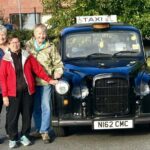
Belfast’s street art tells a brutal story. This private black cab/taxi tour turns “The Troubles” from headlines into a route you can actually picture, with big stops along the Falls Road, Shankill Road, murals, and the peace walls. I love that it’s done in a comfortable cab with a local professional guide, so you get context fast without mapping stress, and I also love the way the guide layers different viewpoints rather than giving a one-note lecture. One consideration: the subject matter is heavy and emotional, so it may feel intense if you prefer lighter sightseeing, and you’ll want to double-check any port-related charges up front if your day includes a cruise stop.
For a compact 2 hours, you cover a lot of ground in the city center area where the conflict shaped everyday life. You’ll also have time to hop out for photos at key murals and street-wall stops, which makes the “this is Belfast” feeling real.
In This Review
- Key points I’d highlight before you go
- What a Belfast black cab Troubles tour really gives you in 2 hours
- Price and logistics: what you’re paying for (and why it can be worth it)
- Divis Flats: where the Troubles shaped the skyline
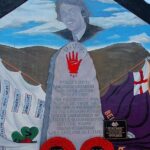
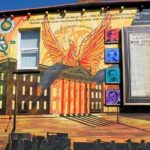
- Bobby Sands on the Falls Road: murals as a living history lesson
- The hanging gaol stop: the era of imprisonment and the Good Friday shift
- Divis Street International Mural Wall: Palestine, Cuba, and the global lens
- Shankill Road: loyalism, UDA/UVF, and the 12th July bonfires
- Clonard Monastery and the peace talks: where private negotiations mattered
- Peace Walls: the physical border of the Troubles
- How the guide style affects your experience (and who tends to shine)
- Who this tour fits best (and who might want a different kind of day)
- Tips to get more out of your 2-hour Belfast black cab ride
- Should you book this Belfast black cab tour?
- FAQ
- How long is the World Famous Belfast City Centre Black Cab/Taxi Tour?
- What’s included in the tour price?
- Is the tour private or shared?
- Are admission tickets included for the stops?
- What language is the tour offered in?
- What happens if the tour can’t run due to weather?
Key points I’d highlight before you go
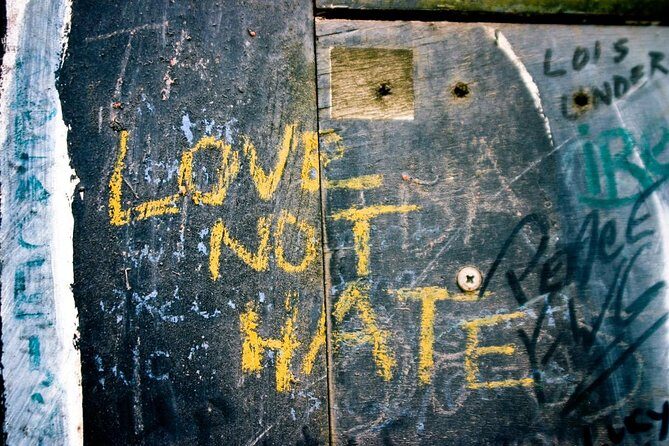
- Private black cab comfort: just your group plus the guide, with hotel or port pickup and drop-off.
- Murals and peace walls that you can’t unsee: street art used to explain history and identity.
- A guided route with multiple viewpoints: your guide shares several angles on the same era.
- Fast timing, big emotion: two hours moves quickly through places tied to the Troubles.
- Well-chosen stops: Divis, Falls Road, Shankill Road, Clonard Monastery, and the peace walls.
- Guides known for personal street-level perspective: people like Ricky, Brendan, John R., Patrick, Kevin, and Davy come up often for narration.
What a Belfast black cab Troubles tour really gives you in 2 hours
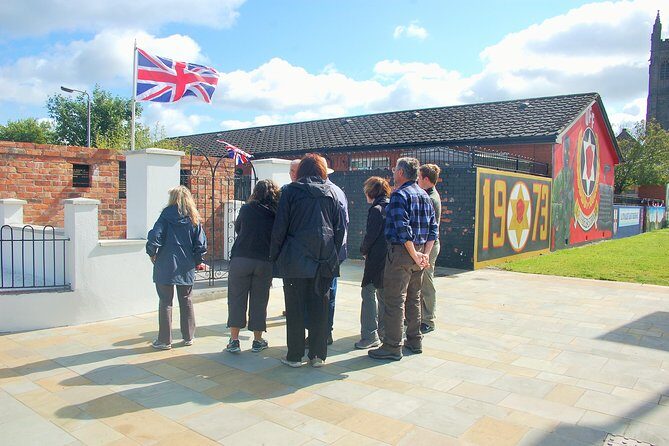
This is the kind of tour that works best when you want understanding, not just photos. In two hours, the city can feel like a maze of street signs and symbols. Here, the cab ride is basically a moving timeline: you stop, look, and the guide connects what you’re seeing to what happened and why it mattered to people on the ground.
I also like the format: a private tour means you can ask questions without feeling like you’re competing with a crowd. Several people singled out guides such as Ricky, Brendan, Patrick, and John R. for being engaging and human, not just reciting dates. That’s important in Belfast, where the politics can still feel present.
The final “why this is worth it” is simple: you’re not navigating. If you’ve ever tried to line up mural walls and peace walls with public transport, you know how quickly it turns into stress. Hotel or port pickup and drop-off means your only job is to show up and stay alert.
You can also read our reviews of more city tours in Belfast
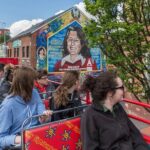
Price and logistics: what you’re paying for (and why it can be worth it)
At $111.11 per person for about 2 hours, you’re not paying for entrance fees. You’re paying for the guide, the route planning, and the convenience of a private cab experience in a city that’s still politically sensitive in places.
In practice, that convenience shows up in a few ways:
- You get pickup and drop-off, including hotel or port service.
- The vehicle is air-conditioned and includes Wi‑Fi on board.
- It’s a mobile ticket format, which keeps check-in simple.
One note to watch: a small number of experiences mention confusion around a port charge. Your tour information says port pickup and drop-off is included, but when you’re on a cruise timetable, it’s smart to confirm the total with the provider before you arrive. That way, nobody’s scrambling for cash mid-tour.
Divis Flats: where the Troubles shaped the skyline
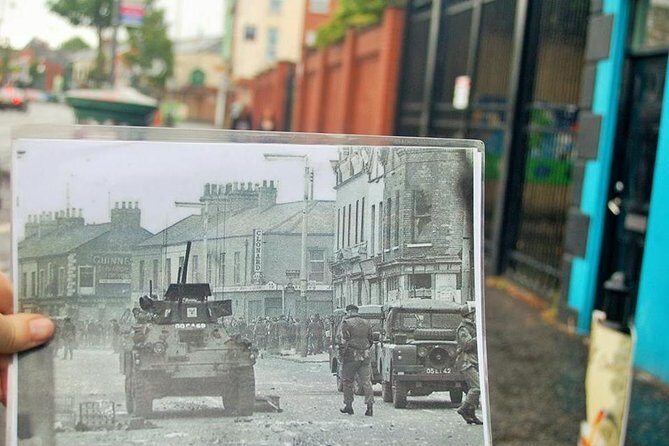
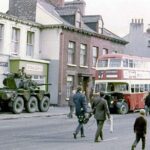
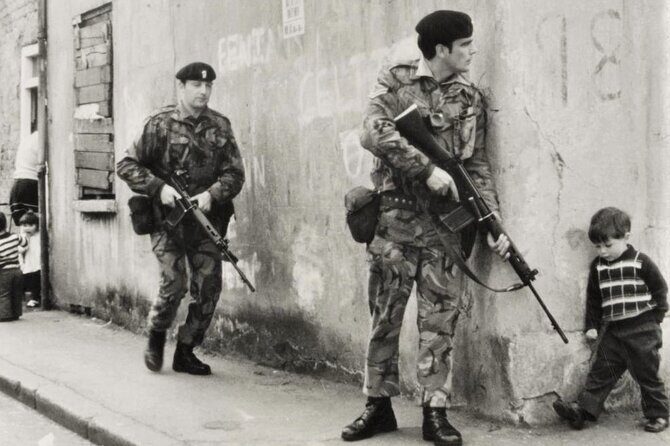
Your first stop is Divis, tied to the British Army base use in the late 1960s onward. The key detail here is how long it lasted: the top floors were used when the British occupied the flats in 1969, and the presence continued for over 25 years. When you hear a “long time” like that, you start to understand why physical spaces become political symbols.
From there, you also get a sense of street geography. The route goes near the foot of the Republican Falls Road, with narrow streets that have appeared in film. This isn’t just a “look at buildings” moment; it’s where the guide helps you see how the city’s layout could intensify separation and control.
Practical heads-up: this first stop sets the tone. You’ll want to be mentally ready for a topic that’s not tidy. Even if you’ve read about The Troubles, seeing how everyday life is tied to the built environment hits differently.
Bobby Sands on the Falls Road: murals as a living history lesson
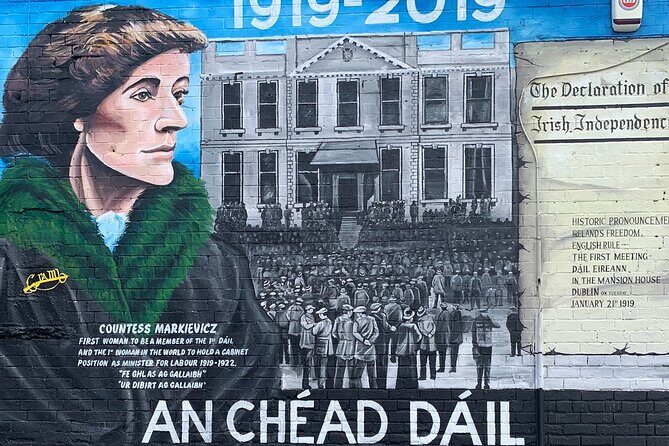
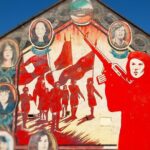
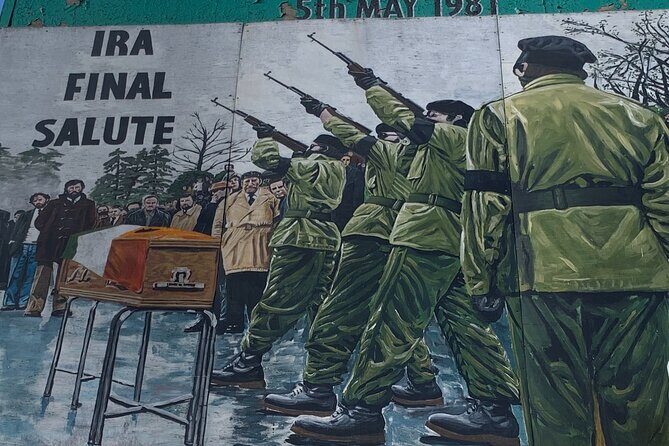
Next comes the Bobby Sands Mural on the Falls Road—a street tied to the birthplace of the Provisional Irish Republican Army. This is also where the tour’s mural focus becomes central. The guide explains that these murals were painted by local people and communicate the plight of the Catholic community.
The tour framing here is important: it’s not just naming individuals. You also get a longer sweep of Irish history—your guide connects the mural story to centuries of change and conflict, and the route logic keeps it grounded in place.
The Falls Road itself matters because it’s not a single wall. It’s several miles long, and your stop is a concentrated way to understand why the area has become an iconic corridor of memory.
What to do while you’re there: bring your phone for wide shots, but also pause for close-up viewing. The details in mural work are part of how the message lands. If your guide is strong—people like Ricky and Davy have been noted for strong narration—you’ll leave with far more than a list of names.
The hanging gaol stop: the era of imprisonment and the Good Friday shift
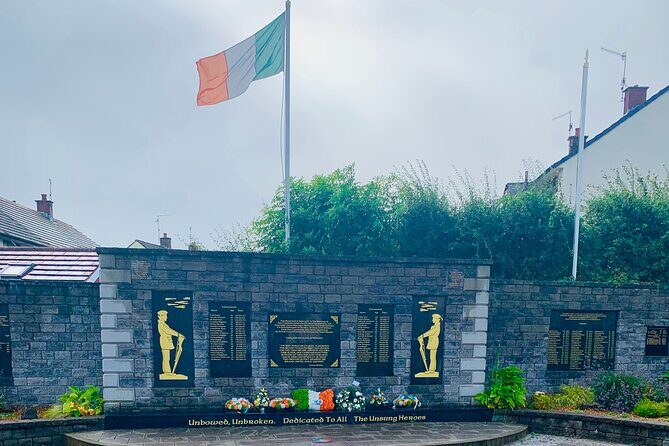
One stop focuses on a facility built in the 1800s that served as a hanging gaol. The tour explains that it housed prominent figures associated with groups including the IRA, UVF, UFF, and INLA, and that it closed in the 1990s after the Good Friday Agreement led to prisoner releases.
This is one of the most sobering moments on the route because it connects the politics to a harsh reality: detention and punishment weren’t just “events,” they were part of daily systems of power.
Why this stop is valuable, even in a short tour: it helps you place the later mural and peace-wall imagery into a cause-and-effect story. People sometimes see peace walls as only physical barriers. This stop reminds you that there were also legal and coercive barriers—and that the Good Friday Agreement changed what was possible next.
If you get emotionally affected here, that’s normal. A tour like this isn’t built for entertainment. It’s built for understanding.
A few more Belfast tours and experiences worth a look
Divis Street International Mural Wall: Palestine, Cuba, and the global lens
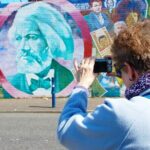
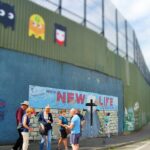
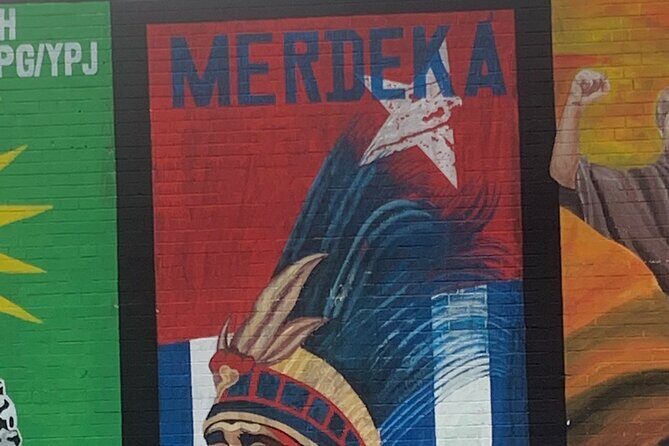
After the heavy gaol moment, you shift to something visually striking: an International Mural Wall on Divis Street. The standout detail is scale and motion—there are over 40 murals, and they change monthly. The guide explains murals that connect with places like Palestine, Cuba, and the Kurdish region.
This stop matters because it shows that Belfast’s story didn’t stay inside one island. In the mural language, political identity travels. The guide also explains the connection between these international references and Republican perspectives, so you understand the symbolism instead of just admiring the artwork.
A small planning tip: because the murals can change, you might see different themes than someone else. That’s not a drawback. It’s part of why the wall feels alive rather than frozen behind glass.
Shankill Road: loyalism, UDA/UVF, and the 12th July bonfires
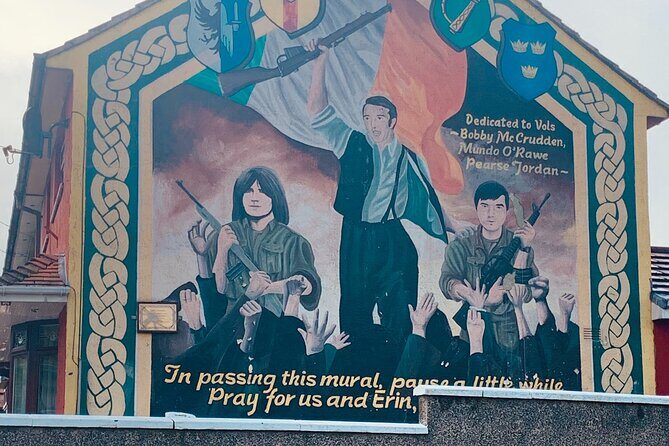
Then you head to Shankill Road, described as the heart of loyalism and linked to the birth of groups including the UDA and UVF. Here, the tour shifts tone again—this is where your guide frames the murals as community signals, not just art.
The tour also connects Shankill Road to the bonfires of 12th July and explains how those public traditions relate to Protestant identity and the long conflict with the IRA.
This stop can feel like a balancing act by design. Your guide’s job is to explain how different communities experienced the Troubles and how identity was defended and reinforced in visible ways.
Photo tip: the murals here can be surrounded by real neighborhood life. Don’t rush. If you want a clean shot, wait for a quieter moment rather than stepping in front of pedestrians or blocking driveways.
Clonard Monastery and the peace talks: where private negotiations mattered
The tour continues to Clonard Monastery, a gothic building described as created by Italian craftsmen and locals. That mix of craftsmanship is a small detail, but it helps you see the monastery as a real place, not only a symbol.
The key historical note is that Father Alex Reid hosted secret peace talks between Gerry Adams and John Hume. This stop gives you something the murals alone can’t: a sense of how negotiations happened behind closed doors, and why the Good Friday Agreement became possible.
If you’re the type who learns best through “how did change actually happen,” this is a good stop to center yourself. The guide’s explanation helps you see peace as a process, not a single announcement.
Practical note: the stop is brief. So if you’re drawn to architecture, try to catch a quick moment from different angles while you have time.
Peace Walls: the physical border of the Troubles
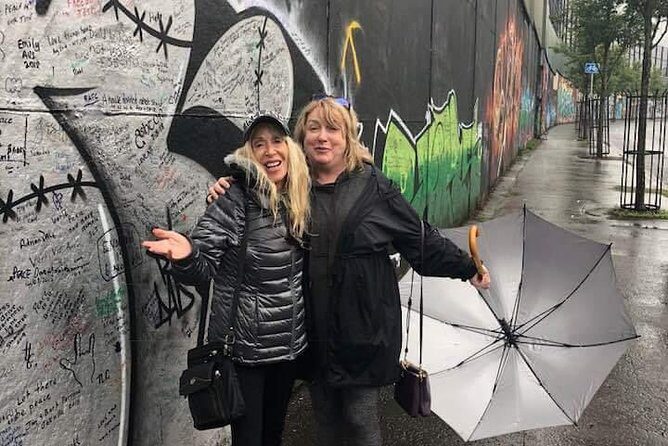
Finally, you reach the Peace Wall, which stretches through parts of Belfast. The tour explains the walls were built in 1969 to keep loyalist and Republican communities apart. That year matters. It’s not ancient history; it’s why so many Belfast residents grew up with segregation as a daily background detail.
The guide also points out that the wall includes peace-themed messages from well-known figures, including President Clinton, Tiger Woods, and Morgan Freeman. Seeing international celebrity names tied to local separation can feel strange at first glance. But in context, it underlines how globally watched Belfast’s conflict and transition were.
This final stop is also where you get the emotional payoff. You’ve seen murals, symbols, and contested streets. Now you see the literal dividing line—and you understand why it became a landmark as much as a barrier.
If your guide is strong, you’ll leave with a clear final thought: even after agreements, the city still carries memory in stone and paint.
How the guide style affects your experience (and who tends to shine)
The biggest difference between a good version of this tour and a frustrating one is narration quality. A theme in the tour experiences is that the best guides mix solid facts with personal street-level context—stories that make the route feel like a lived map.
Guides such as Ricky, Brendan, Patrick, Kevin, John R., Davy, and Sean have been praised for being engaging, patient, and for sharing personal experiences or authentic perspectives. You’ll know if you’ve got a great guide quickly: you’ll feel un-rushed at stops, and questions won’t be brushed off with a timetable excuse.
If you’re worried about balance, don’t be. The tour is designed to connect multiple versions of history. That doesn’t mean it tries to please everyone. It means your guide aims to explain the logic of different communities, grounded in what they experienced.
Who this tour fits best (and who might want a different kind of day)
This tour is ideal if you:
- want a high-impact education without spending half your day hunting down sites
- like street art and real-world geography tied to history
- prefer private conversation over large group lectures
- enjoy asking questions and learning how people interpret the same events differently
This tour might feel like a lot if you:
- hate emotionally heavy topics
- want a “light and scenic” Belfast day
- get overwhelmed quickly by conflict history
It’s also smart if you’re short on time and want a big-picture understanding before you wander on your own.
Tips to get more out of your 2-hour Belfast black cab ride
A tour moves fast, so your prep matters.
- Wear comfortable shoes. You’ll want to stand and look closely at murals.
- Bring your phone or camera, but pause for close-ups, not just wide shots.
- If you’re sensitive to intense content, give yourself a decompression plan after the tour. A quiet café stop can help.
- Ask your guide for the “why this symbol” explanation at each mural stop. That’s where learning actually sticks.
And if your day includes a cruise port: plan to arrive ready to go. One reason port-day complaints happen is simple timing friction, not just the tour itself.
Should you book this Belfast black cab tour?
I’d book it if you want the fastest reliable path to understanding Belfast’s Troubles era through murals, neighborhoods, and peace-wall geography—without handling logistics on your own. The private black cab format is a real advantage, and the strongest guides can make the route feel like a living story, not a textbook.
Skip it (or choose a softer alternative) if you’re hoping for an easygoing sightseeing day. This is history with sharp edges, and it’s meant to be felt as much as learned.
If you do book, my advice is simple: confirm anything related to port-day charges before you go, then show up ready to listen. In two hours, this tour can give you the mental map that makes Belfast’s streets make sense long after you leave.
FAQ
How long is the World Famous Belfast City Centre Black Cab/Taxi Tour?
The tour lasts about 2 hours.
What’s included in the tour price?
The tour includes private transport by black cab/taxi, a professional guide, private tour, hotel/port pickup and drop-off, an air-conditioned vehicle, and Wi‑Fi on board.
Is the tour private or shared?
It’s private. Only your group participates.
Are admission tickets included for the stops?
No. The tour notes that admission tickets are not included for the stops listed.
What language is the tour offered in?
The tour is offered in English.
What happens if the tour can’t run due to weather?
If it requires good weather and conditions cause cancellation, you’ll be offered a different date or a full refund.
You Might Also Enjoy
More City Tours in Belfast

More Tours in Belfast



More Tour Reviews in Belfast
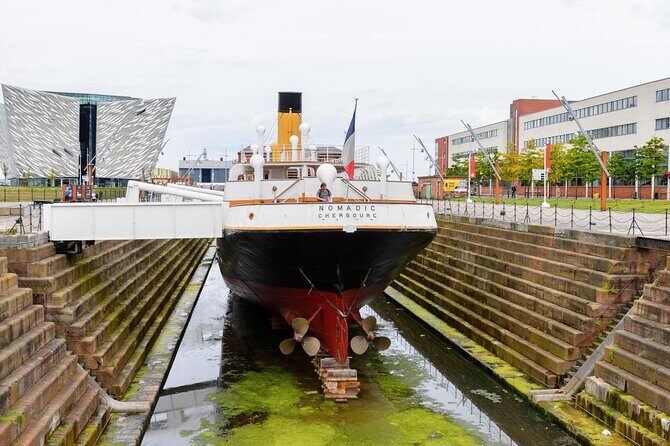
- Titanic Belfast Entrance Ticket: Titanic Visitor Experience Including SS Nomadic
★ 4.5 · 3,698 reviews