REVIEW · BELFAST
2 hours Belfast Original Drivers The Troubles Black Taxi Tour
Book on Viator →Operated by Belfast famous black taxi tours · Bookable on Viator
The past in Belfast hits fast. This black taxi tour turns the map into a story about The Troubles, with taxi speed that covers more than a walking route. I especially like the way the stops are paced—enough time to look, not just point—and the fact that the guide’s local perspective helps the murals and walls make sense. One thing to consider: the subject matter is heavy, and audio tech can be a weak link if the loudspeaker isn’t working.
What I like most is the focus on Shankill Road Loyalist murals and the Peace Walls—you see the physical reminders of division and then you understand the why behind them. The second big win is the driver-guided flow. You learn the context from the route itself, and you get time for photos without feeling rushed.
Your only real drawback is logistics and sound. You’ll spend a lot of the tour inside the taxi, and one past experience noted a loudspeaker problem, so it helps to be ready to hear clearly outside when needed.
In This Review
- Key highlights that make this Belfast black taxi tour worth it
- Why a black taxi works so well for Belfast’s hardest history
- Inside the cab: what to expect from the guide and the ride
- Stop 1: Shankill Road murals, Loyalist streets, and a timeline back to 1690
- Stop 2: Peace Walls and the uncomfortable idea of separation
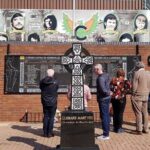
- Stop 3: Falls Road, the Provisional IRA roots, and the Bobby Sands mural
- The 2-hour timing: seeing a lot without feeling crushed
- Price and value: what you get for about $101 per person
- Who should book this Troubles black taxi tour (and who might want another option)
- Final decision: should you book Belfast Original Drivers The Troubles Black Taxi Tour?
- FAQ
- How long is the Belfast Original Drivers The Troubles black taxi tour?
- Is pickup included?
- Is this tour private?
- What language is the tour offered in?
- Are admission tickets included for the stops?
- Is dinner included?
- Do I need good weather for this tour?
Key highlights that make this Belfast black taxi tour worth it
- Shankill Road murals explained with a timeline that reaches back to 1690 and the Battle of the Boyne
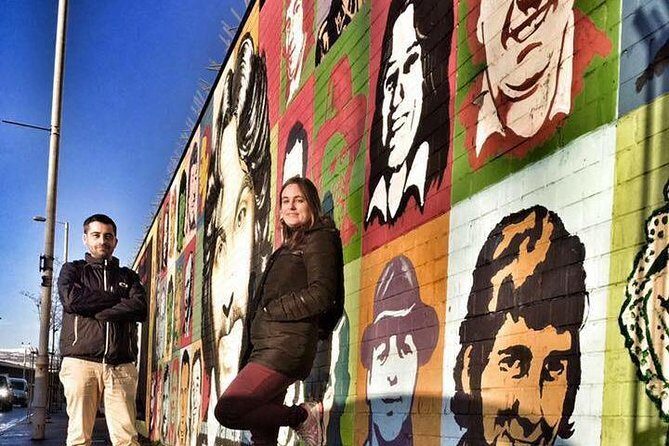
- Peace Walls / peace lines shown as separation infrastructure that became permanent and then turned into art
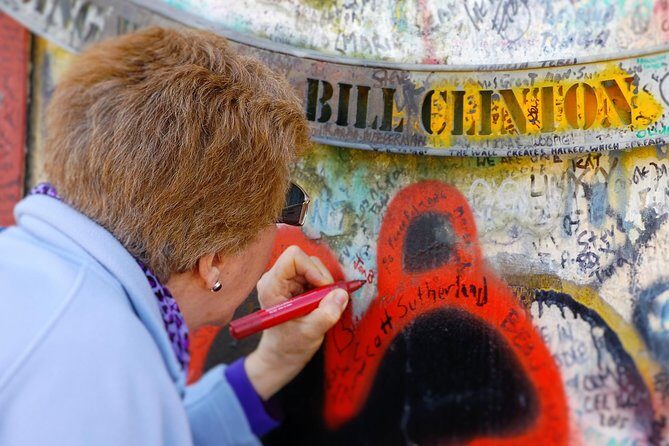
- Falls Road + political murals tied to the Provisional IRA and the wider conflict
- Bobby Sands mural area paired with the story of the 1981 hunger strike and H Blocks Prison
- Private black cab format so your guide can answer your questions directly
- Photo time built into the route so you’re not snapping while the car is rolling
Why a black taxi works so well for Belfast’s hardest history
Belfast’s The Troubles isn’t something you casually walk through. It’s layered. It sits in street corners, painted symbols, and walls that still do a job. That’s exactly where a taxi tour shines, because you’re moving quickly between major sites while still getting explanations at each stop.
A walking tour can work, but it forces you to choose. Here, the taxi helps you cover the key neighborhoods and checkpoints in about 2 hours. You end up with a clearer sense of how geography and politics grew tangled together.
Also, this is a private tour, not a noisy group shuffle. Only your group rides together, which makes it easier to ask questions. And since the guides are locals with real lived context, the murals and walls stop being just visuals and start feeling like messages in a language you’re finally learning.
A few more Belfast tours and experiences worth a look
Inside the cab: what to expect from the guide and the ride
You’ll ride in an air-conditioned vehicle. You’ll usually start with pickup options around the city center area—free pickup for Belfast city centre hotels up to 1 km from Belfast City Hall. If you’re arriving by cruise ship, there’s a British pound surcharge mentioned for those passengers (cash only, paid on the day to the guide), so plan that cash if it applies to you.
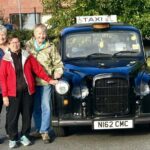
Most importantly, this tour is driven by the person behind the wheel. The strongest praise in the experiences you can learn from is consistent: guides like Ricky, Sean, Kevin, Brendan, Davy, Padraic, Stevie, and JR are repeatedly described as locals who explain the complex events with clarity, context, and respect. In a conflict like this, that matters. Dates alone won’t do it. Explanations about why people put murals where they did, and what a wall was meant to do, are what make the story click.
Tip: if you’re the type who asks lots of questions, this tour rewards that. People mention that guides welcomed discussion, answered questions, and weren’t rushing you out of each stop. That’s the difference between seeing the sites and understanding them.
One practical note from past experiences: if the taxi loudspeaker system fails, you may have trouble hearing the driver over the vehicle noise—especially if they have a strong local accent. If you notice sound issues, don’t be shy about stepping outside for a moment at the stops so you can hear the explanation clearly.
Stop 1: Shankill Road murals, Loyalist streets, and a timeline back to 1690
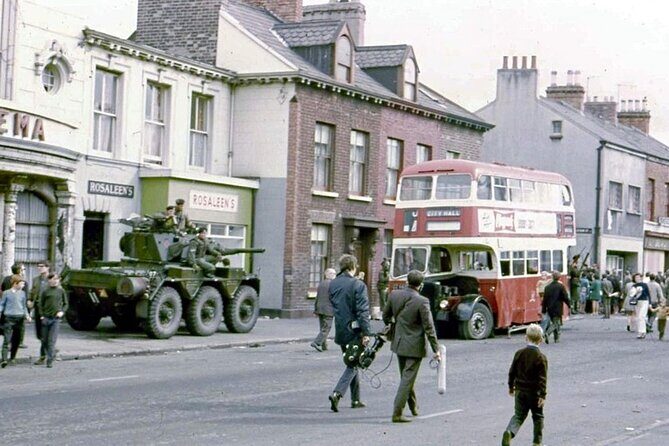
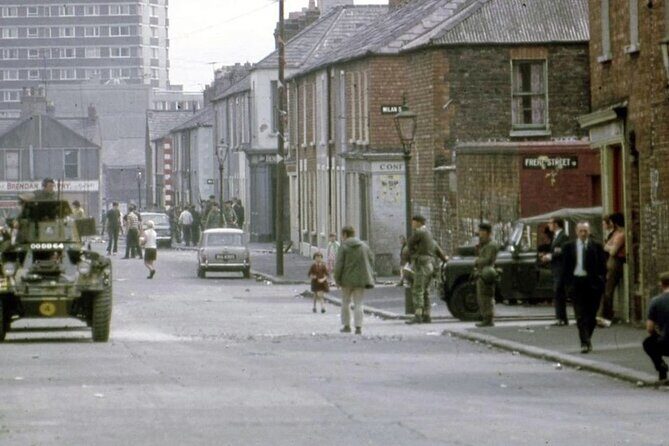
The first stop is Shankill Road, and the guide starts you with a long view. You begin around 1690, when King William III arrived in Ireland to defeat King James II at the Battle of the Boyne. That’s not random trivia. It’s a reminder that these identities didn’t start in 1969—they’re the product of centuries of power struggles, loyalty, and migration.
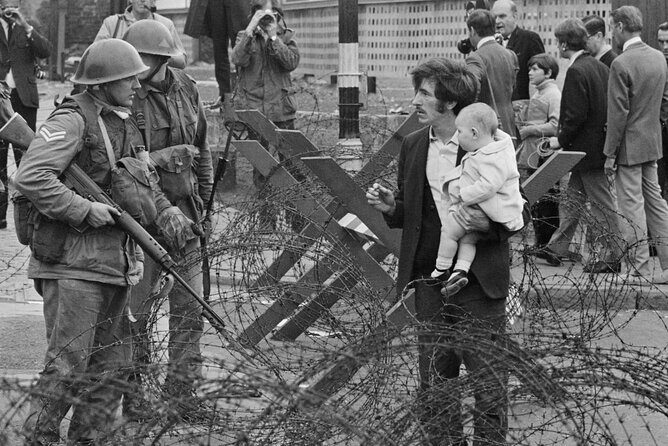
Then the tour shifts to more recent history: The Troubles begin in 1969 and move toward an end point with the peace agreement in 1998. This is where the taxi tour format helps. You’re not just hearing a lecture. You’re learning the why while your eyes are still on the neighborhood that carries it.
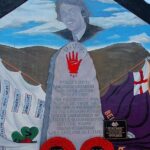
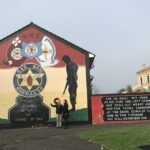
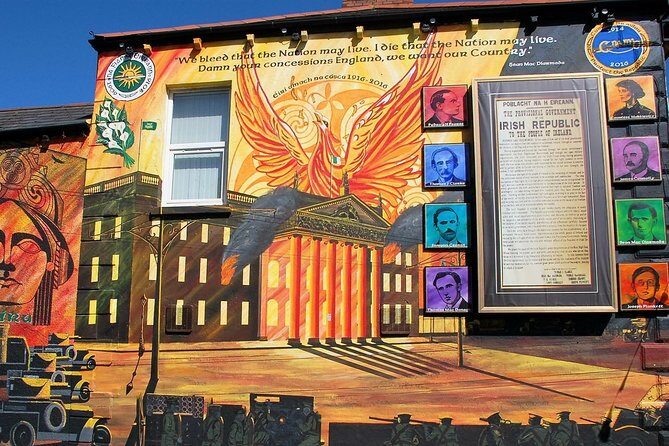
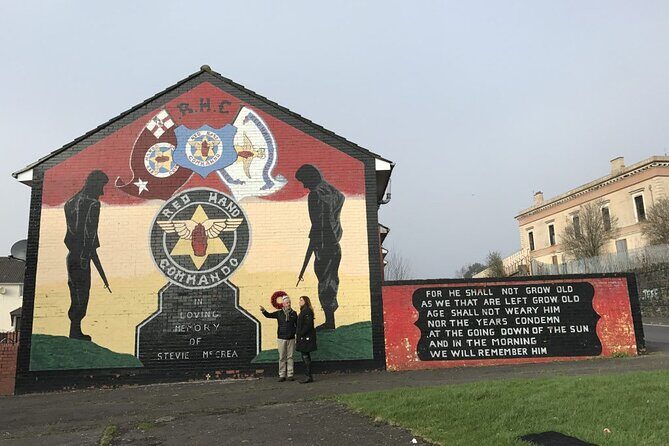
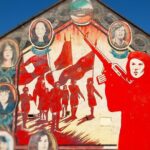
From there, you’ll do a Loyalist walkaround. The guide points out wall murals and explains what they depict. These aren’t neutral paintings. They’re visual statements—about identity, memory, and who belongs. You’ll also have time to take your own photographs, which is helpful because murals often reward slow looking. If you only glance at them from the sidewalk, you miss the details that make the symbols readable.
What to watch for: murals can feel like a collage unless someone explains the symbols and context first. After Shankill Road, you’ll start noticing patterns in how each side uses imagery to tell its version of the story.
Possible drawback here: the emotional weight can catch you off guard. If you want a purely scenic stop, this isn’t that. But if you want to understand Belfast, it’s the place where the tour becomes real.
Stop 2: Peace Walls and the uncomfortable idea of separation
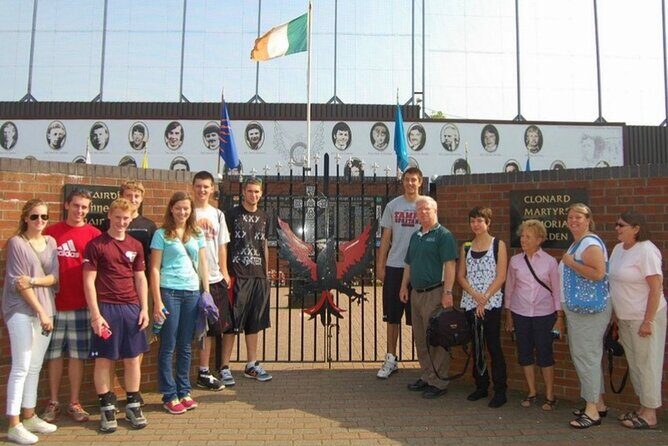
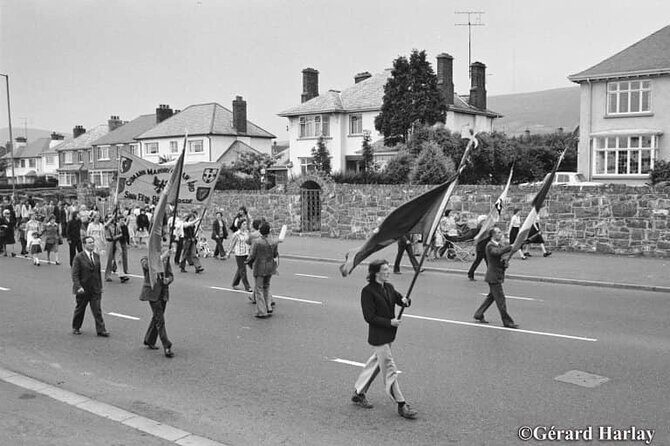
Next up is the Peace Wall. The core concept is simple—and also kind of heartbreaking. The walls were designed to separate the Catholic (Republicans) and Protestant (Loyalist) populations.
The guide explains that the first peace lines were erected after violence broke out in 1969 (what people commonly call the start of The Troubles). These structures began as temporary measures, built to last about six months. They were effective—so they were built higher, longer, and eventually made permanent.
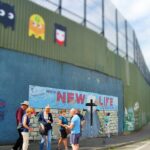
Today, the walls are covered in art and messages of hope, and you’ll notice that tourists come looking for that hopeful layer. It can feel contradictory at first: separation walls with hope on them. But that contrast is part of the point. Hope can live inside even the most restrictive systems.
Practical tip: bring your camera mindset here, not your tourist mindset. Step back, take a breath, and let the wall and the messages register. You’re not just photographing street art. You’re witnessing how a city copes with a legacy it didn’t entirely choose.
If sound is an issue inside the cab, this stop is a good one to pause and listen carefully outside. It’s easier to catch the guide’s explanation when you’re not fighting vehicle noise.
Stop 3: Falls Road, the Provisional IRA roots, and the Bobby Sands mural
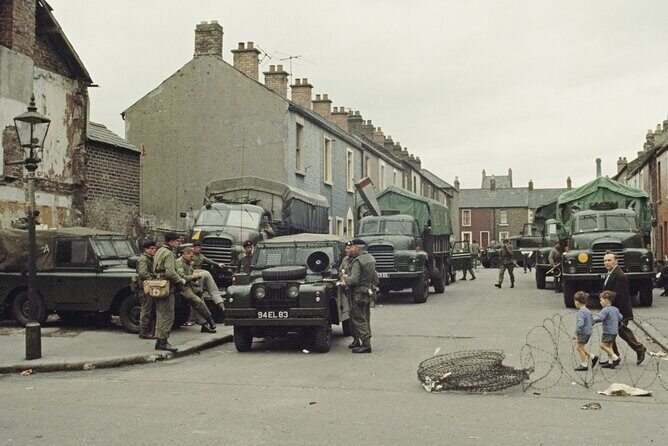
The third stop shifts the lens to the Falls Road area, described as the birthplace where the Provisional IRA formed. Again, this isn’t a name-drop. The guide explains how different sections of the road and the political murals fit into the broader conflict.
If you only know Belfast from travel photos, the Falls Road portion can be the reality check. The walls and murals feel more than decorative. They act like public memory—each message tied to a chapter, each symbol part of how people understand the present.
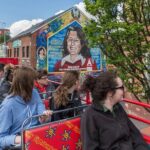
Then you’ll go to the Sinn Fein press office, including the area tied to the globally famous Bobby Sands mural. This is one of those moments where the tour earns its keep. A mural alone is a picture. Paired with the story of the 1981 hunger strike in H Blocks Prison, it becomes something you can actually hold in your mind.
The guide ties those events into what followed and what the community carried afterward. The result is a clearer sense of why certain names show up again and again in street art and commemorations around Belfast.
What I found useful here is the tour’s structure: it doesn’t just say what happened. It connects who told the story and how that story became visible on walls. That makes the murals and symbols feel less mysterious and more legible.


The 2-hour timing: seeing a lot without feeling crushed
At about 2 hours, this isn’t a full-day history binge. It’s focused. That’s a strength if you’re balancing other Belfast plans.
You’ll have three main stop blocks: Shankill Road (about 45 minutes), the Peace Wall (about 30 minutes), and the Falls Road/Bobby Sands area (about 45 minutes). The taxi time between them matters, because it keeps the flow moving while the guide walks you through the meaning of what you’re seeing.
The biggest value of the time format is pacing. Guides who are praised most often are the ones who don’t rush. You get time for photographs and enough stop length to absorb the explanations. That reduces the stress of feeling like you’re sprinting through sensitive places.
Price and value: what you get for about $101 per person
The price listed is $101.21 per person for an approximately 2-hour private black taxi tour. That’s not cheap in absolute terms, but it becomes easier to justify when you look at what’s included versus what you’d otherwise need to piece together.
Value points you’re paying for:
- Private guide time in a vehicle, not just a self-guided route
- Air-conditioned taxi that gets you between key sites efficiently
- Free admission tickets for the stops as listed (so you’re not paying entry fees at the mural/wall related points)
- The guide’s interpretation—the part you can’t download from a map
And there’s one more value factor: in The Troubles, accuracy and tone matter. A good guide helps you understand without turning the sites into a spectacle. Several guides are praised specifically for being respectful and able to discuss sensitive topics in an accessible way.
Consideration: if you’re on a tight schedule or you’re hoping for a casual, lighthearted tour, you might feel the topic weight faster than expected. But if you want a grounded understanding of Belfast, this cost is buying context.
Who should book this Troubles black taxi tour (and who might want another option)
I’d send you to this tour if you want:
- A local guide perspective, including explanations that connect murals, walls, and political events
- A balanced, respectful approach that helps you read the neighborhood visuals
- A tour that’s built for questions, not a rigid script
This is also a good fit for first-time Belfast visitors who want a strong overview in a short time, especially if you don’t want to piece things together with multiple guides and multiple days.
On the other hand, if you’re extremely noise-sensitive or worried about hearing the driver inside the cab, plan for that. One reported issue was a loudspeaker not working, and if that happens on your day, you may need to rely more on outside listening at stops.
Final decision: should you book Belfast Original Drivers The Troubles Black Taxi Tour?
Yes—if you go in ready to learn. This tour is built around the places that still carry the conflict in visible form: Shankill Road, the Peace Wall, and the Falls Road with the Bobby Sands mural connection. The private format and the guide-led explanations are what make it more than a drive-by.
Book it especially if you:
- Want a 2-hour plan with real context
- Appreciate local, lived-in explanations (guides like Ricky, Sean, Brendan, Davy, Padraic, Stevie, Kevin, and JR show up repeatedly as standouts)
- Want time for photos and questions rather than a rushed bus ride
If you’d like, tell me your travel dates and whether you’re on a cruise ship. I can help you think through timing and what to prioritize first so you get the most out of your 2 hours.
FAQ
How long is the Belfast Original Drivers The Troubles black taxi tour?
It’s about 2 hours.
Is pickup included?
Pickup is offered for free at Belfast city centre hotels up to 1 km from Belfast City Hall.
Is this tour private?
Yes. It’s private, and only your group participates.
What language is the tour offered in?
The tour is offered in English.
Are admission tickets included for the stops?
The listed stops include admission tickets marked as free.
Is dinner included?
No. Dinner is not included. You can ask the guide to stop for drinks and snacks, and you should have British pounds if you do.
Do I need good weather for this tour?
Yes. The experience requires good weather. If it’s canceled due to poor weather, you’ll be offered a different date or a full refund.
You Might Also Enjoy
More 2-Hour Experiences in Belfast
More Tours in Belfast


More Tour Reviews in Belfast
- Titanic Belfast Entrance Ticket: Titanic Visitor Experience Including SS Nomadic
★ 4.5 · 3,698 reviews